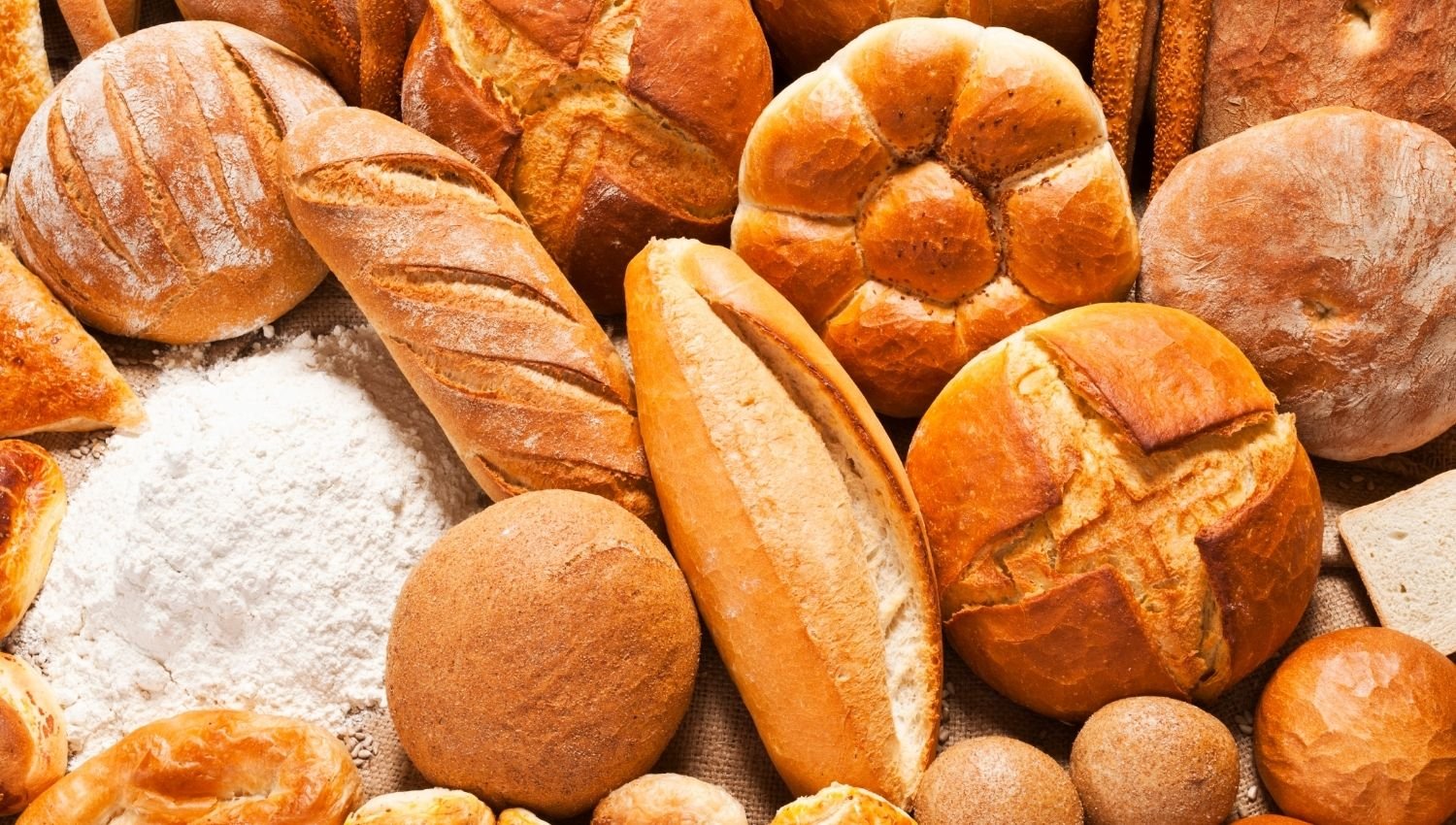
Bread is one of humanity’s oldest and most universal foods, yet its story is far stranger and more fascinating than most people imagine. Here are 21 fun facts about Bread that will change the way you think about your next slice.
Archaeologists found evidence of breadmaking from 30,000 years ago.
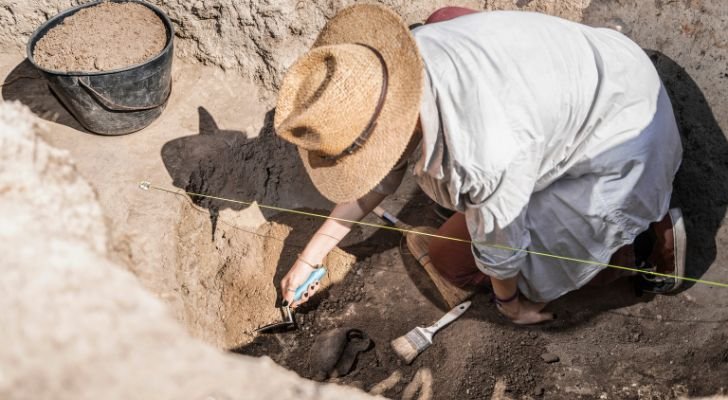
Long before humans developed agriculture, people were already making a primitive form of flatbread. Analysis of ancient grinding stones found at sites in Italy, the Czech Republic, and Russia revealed starch residues suggesting that people were extracting starch from plant roots, grinding it into paste, and cooking it on hot stones over fires roughly 30,000 years ago. This predates the first known cultivation of cereal grains by tens of thousands of years, pushing the origins of breadmaking deep into the Upper Paleolithic era and demonstrating that the human drive to process grains into cooked food is extraordinarily ancient.
The Sumerians were the first to make bread rise.
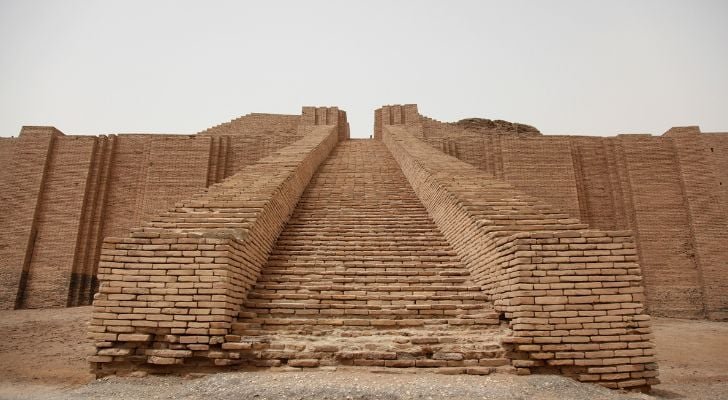
The Sumerians of ancient Mesopotamia — widely regarded as the world’s oldest civilization — discovered that leaving grain dough exposed to the air for a period of time caused it to rise and develop a lighter, more pleasant texture. The mechanism, though they didn’t know it, was airborne wild yeast naturally present in the environment, particularly on grain husks, which colonizes moist dough and produces carbon dioxide through fermentation. This process of leavening transformed bread from a dense, unleavened flatbread into something closer to the risen loaves we recognize today, and the discovery took place over 8,000 years ago.
Ancient Europeans used beer to make their bread rise.
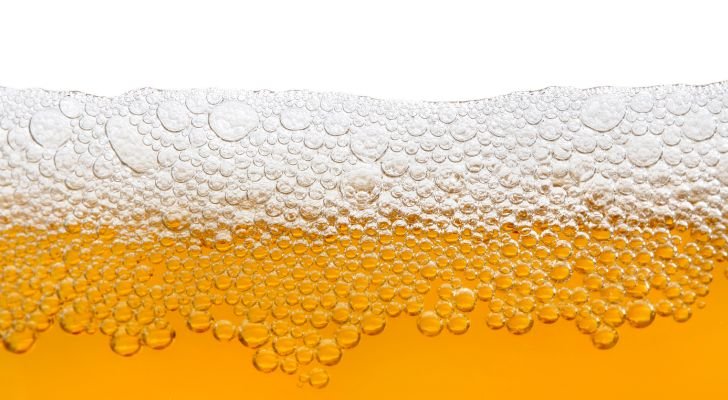
The ancient Gauls and Iberians of early Europe developed a clever method of leavening by skimming the yeast-rich foam — known as “barm” — from the surface of fermenting beer and incorporating it into bread dough. The result, known as barm cake, was notably softer and lighter than any bread produced by competitors using wild fermentation alone. Barm cake remains a beloved staple in northern England to this day, often sliced open and filled with crispy bacon or thick-cut chips, making it one of the oldest continuously consumed breads in the world.
Sourdough bread has been made for over 5,500 years.
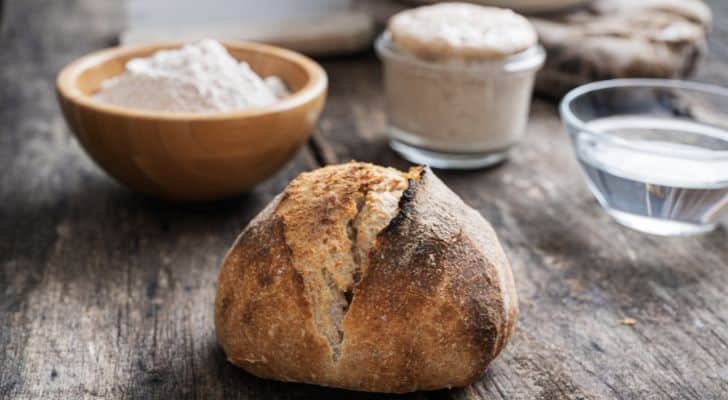
Sourdough is one of the oldest methods of bread production still practiced today, relying on a live culture of wild yeast and bacteria — the “starter” — that is maintained by reserving a portion of each day’s dough to leaven the next batch. The oldest physical evidence of sourdough-style fermented bread comes from an archaeological site in Switzerland dating to around 3700 BC, though scholars believe the technique likely originated even earlier in the cultures around the Fertile Crescent of the ancient Near East. The same basic process has been used largely unchanged for millennia, making sourdough one of humanity’s most enduring culinary traditions.
Tortillas were an ancient Mayan staple.
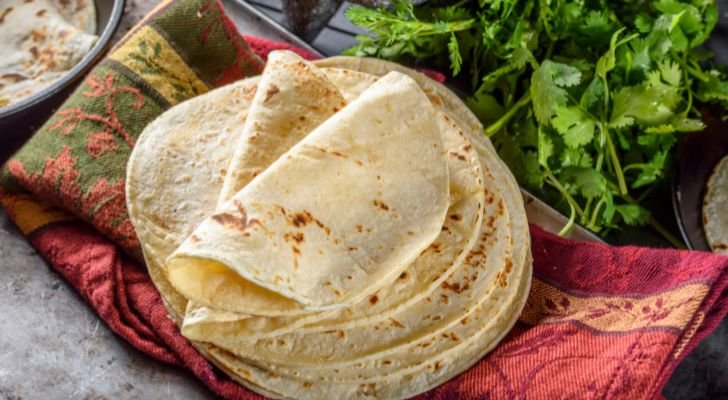
Corn was first domesticated in what is now southern Mexico approximately 10,000 years ago, and the people of Mesoamerica quickly developed the technique of nixtamalization — treating dried corn with an alkaline solution — to improve its nutritional value and create a workable dough called masa. From this masa came the tlaxcalli, the corn flatbread that Spanish colonizers later renamed the “tortilla.” The connection to this ancient food is so deep that the name of the Mexican state of Tlaxcala literally translates to “place of the tortilla” in Nahuatl, the language of the Aztecs, and the flatbread remains a cornerstone of Mexican cuisine to this day.
France bakes around 6 billion baguettes per year.
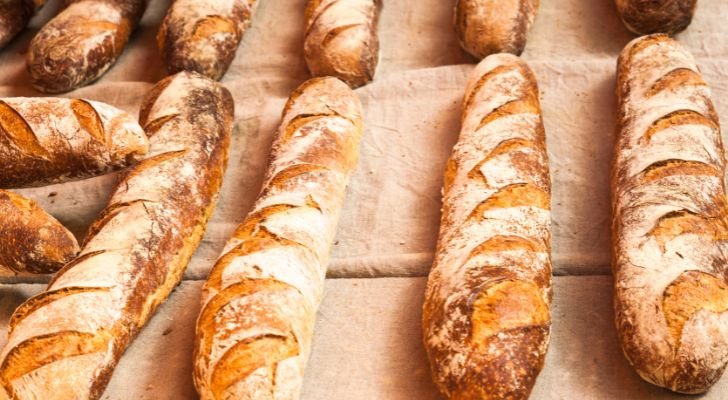
France’s relationship with the baguette is so deep that the government has enshrined it in law. The 1993 Décret Pain — the Bread Decree — specifies the exact ingredients a traditional baguette must contain (flour, water, yeast, and salt, and nothing else) and requires that the loaf be made and sold in the same establishment, prohibiting the use of pre-made frozen dough. The baguette’s cultural status was officially recognized in 2022 when UNESCO added it to its Representative List of the Intangible Cultural Heritage of Humanity, protecting not just the product but the craft traditions and social rituals surrounding it.
Napoleon Bonaparte may have caused the invention of Baguettes.

The true origin of the baguette is a matter of ongoing historical debate, with several compelling theories on the table. One popular story holds that Napoleon ordered bakers to create a long, thin loaf that soldiers could conveniently slip into a special leg pocket in their trousers, allowing them to carry rations while marching. A rival theory credits the French Revolution’s acute bread shortages with driving bakers to develop a leaner dough recipe that stretched ingredients further. A third explanation points to a Viennese baker who introduced steam-baked breads to Paris in the 1800s, which may have inspired the baguette’s signature crisp crust. None of these accounts has been definitively proven.
Armenian lavash is believed to protect people from the evil eye.
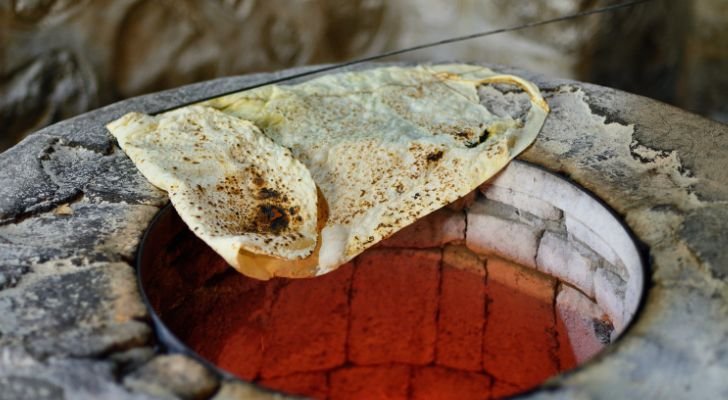
In Armenia, lavash — a paper-thin, flexible flatbread baked against the walls of a clay oven called a tonir — carries profound ceremonial significance beyond its everyday role as a food. In traditional Armenian wedding ceremonies, the bride’s shoulders are draped with sheets of lavash as she enters her new home, a ritual meant to bring prosperity and ward off malevolent forces. The same bread is used to protect newborn babies from the evil eye when it is laid over them in their first days of life. The word lavash derives from the Armenian phrase lav kashas, meaning “well-stretched,” and the tradition of making it was added to UNESCO’s Intangible Cultural Heritage list in 2014.
Some of the first professional bakers in ancient Rome were freed slaves.
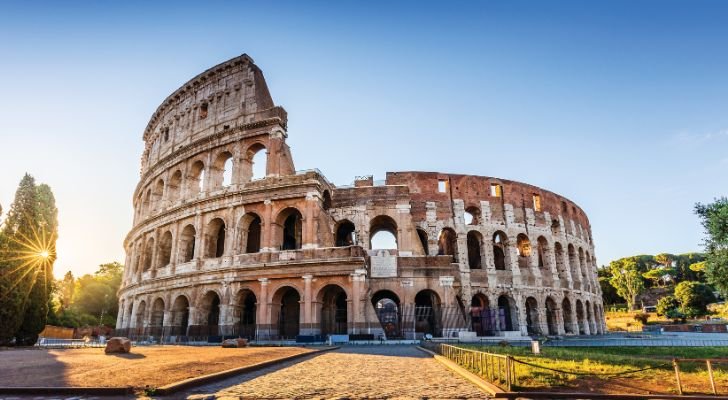
As Rome grew wealthy during the second century BC, demand for commercially baked bread expanded rapidly — more households could afford to buy bread rather than make it at home, and the Roman army’s constant need for rations created further demand. Freed slaves, who had often learned baking skills during their enslavement, were among the first to establish professional bakeries in the city. These early commercial bakers organized themselves into powerful guilds of miller-bakers known as pistores, which controlled much of the grain milling and bread-baking trade in the empire and passed their skills and trade secrets down through successive generations of bakers.
Ancient Egyptians used moldy bread to treat wounds.
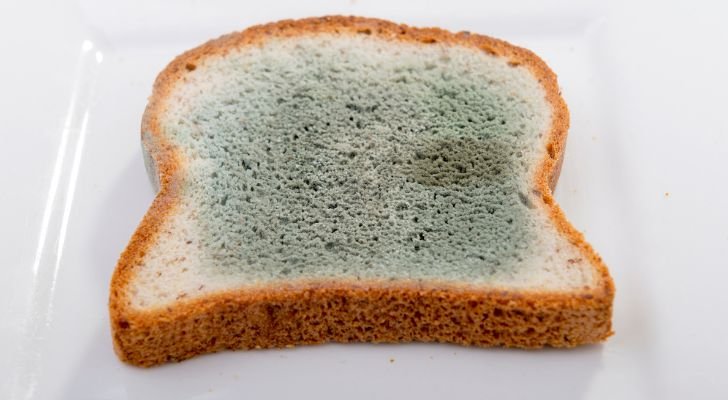
Ancient Egyptian medical papyri describe the application of moldy bread directly to infected wounds and burns as a treatment intended to prevent the spread of infection. This practice, which predates Alexander Fleming’s discovery of penicillin by thousands of years, was remarkably effective — not because the Egyptians understood microbiology, but because the mold growing on stale bread often belonged to the Penicillium genus, which produces natural antibiotic compounds. Similar observations appear in the folk medicine of ancient Greece, Serbia, and China, suggesting that multiple independent cultures stumbled upon the antimicrobial properties of bread mold long before modern science explained why it worked.
The Bible includes a pretty gross bread recipe.
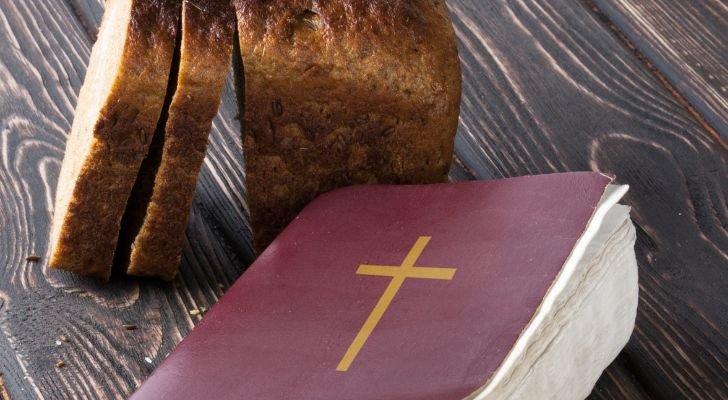
In the Book of Ezekiel, the prophet is given very specific instructions for making bread during a period of siege: a mixture of wheat, barley, beans, lentils, millet, and spelt, which actually sounds nutritious and practical — legumes mixed with grains create a more complete protein profile. The deeply unpleasant part comes next: Ezekiel is instructed to bake the bread over a fire fueled by human excrement. The prophet protests, and God eventually permits him to use cow dung instead. Modern “Ezekiel bread,” inspired by this passage, uses sprouted grains and legumes in a genuine nod to the recipe’s nutritional logic — the fuel method, thankfully, has not been revived.
A small town in Sicily builds arches of bread every year.
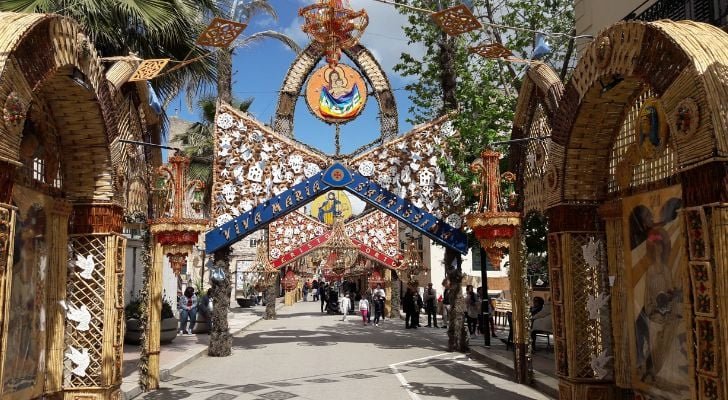
Each year in the weeks leading up to Easter, the residents of San Biagio Platani — a small agricultural town in Sicily — collaborate to construct enormous decorative arches lining the main streets, built entirely from locally baked bread and adorned with dried beans, herbs, and other plant material. The tradition began centuries ago during the feudal era, when neighboring towns would erect marble or stone arches to honor powerful rulers. San Biagio Platani, too modest to compete with stone, built their arches from what they had in abundance: bread. The church later incorporated the tradition into Easter celebrations, and the event now draws visitors from across Sicily every spring.
Sailors and military men ate incredibly tough bread called hardtack.
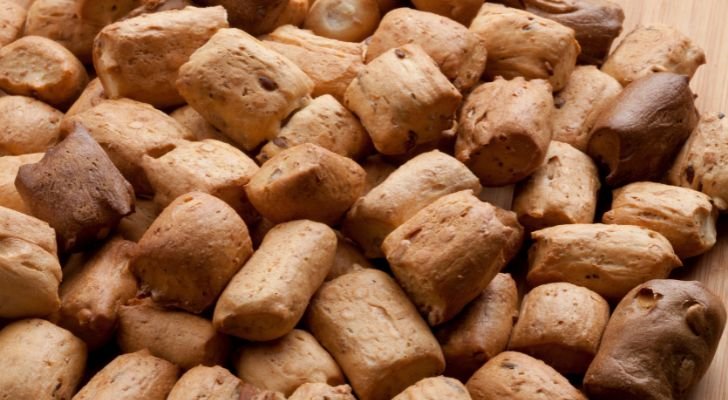
Hardtack is perhaps the most unglamorous bread in human history: a simple mixture of flour, water, and salt, baked multiple times until virtually all moisture is driven out, producing a hard, flat cracker that could survive months or even years without spoiling. Sailors nicknamed it “tooth duller” and “sheet iron” for good reason — it had to be soaked in liquid before it was safe to bite. Despite its grimness, hardtack was a logistical godsend: it provided reliable calories in environments where fresh food was impossible to store, and versions of it were used as military and naval rations from ancient Egypt and Rome through the American Civil War and beyond.
Every year, on August 1st, the first loaves of bread from the first wheat harvest of the year are blessed.
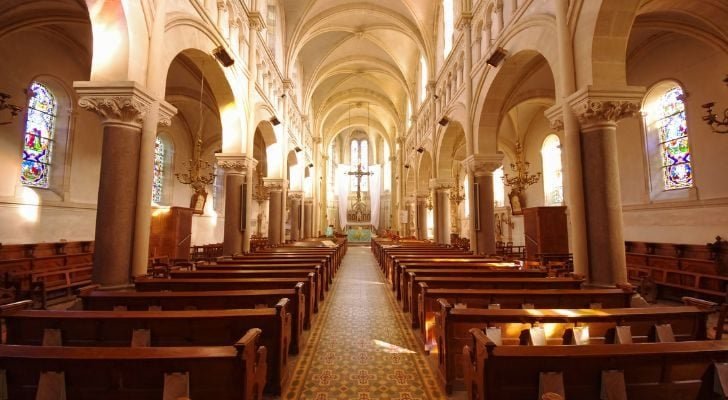
Lammas — from the Old English hlaf-maesse, meaning “loaf mass” — is observed on August 1st each year and marks the beginning of the wheat harvest season in the Northern Hemisphere. In the tradition, the first loaves baked from the newly harvested grain are brought to church for a blessing. The holiday is observed by both some Christian denominations and Neopagan practitioners who celebrate it as Lughnasadh, a Gaelic festival honoring the god Lugh. In earlier centuries, the blessed loaves would be ceremonially broken into four pieces and placed in the corners of the granary to protect the rest of the harvest from spoilage and misfortune.
The oldest surviving piece of bread is over 14,000 years old!

In June 2018, archaeologists from the University of Copenhagen announced the discovery of charred bread remains at the Shubayqa 1 site in the Black Desert of northeastern Jordan. Dating to approximately 14,400 years ago — more than 4,000 years before the advent of agriculture — the bread was made from wild einkorn wheat, wild barley, and plant root fibers. It was cooked on a flat stone surface, suggesting it was a form of unleavened flatbread. The discovery was significant not only for its age but because it demonstrated that humans were making complex, deliberate food from wild grains millennia before they began deliberately farming them.
In 2005, Portuguese bakers baked a loaf of bread almost 4,000 feet long!
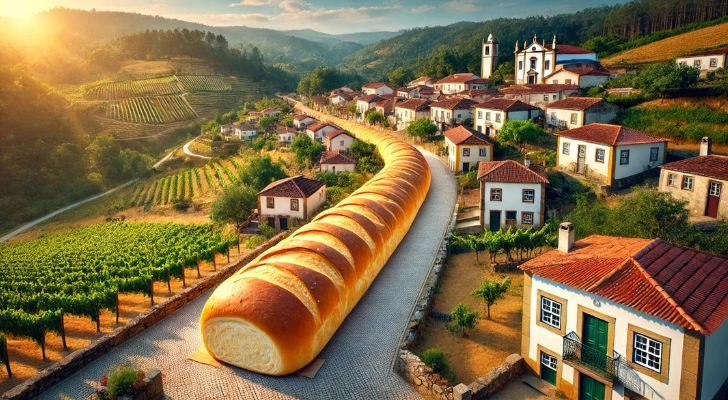
On July 10, 2005, more than 100 bakers across Portugal joined forces to bake the world’s longest continuous loaf of bread, ultimately producing a single unbroken loaf measuring 3,975 feet (1,211.6 meters) — nearly three-quarters of a mile. The project required a specially constructed oven and nearly three full days of baking time. When completed, the loaf smashed the existing Guinness World Record and was immediately shared with around 15,000 people who had gathered to witness and celebrate the achievement, making it one of the most communal bread-eating events in recorded history.
South African Indians use bread instead of a bowl to eat their curry.
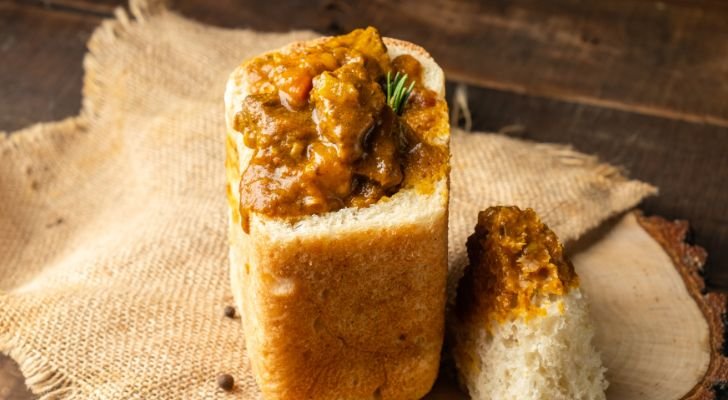
Bunny chow is one of South Africa’s most beloved street foods: a half or quarter loaf of white bread hollowed out, filled generously with curry, and served with the removed bread “lid” placed on top. The dish originated in Durban among the Indian community during the apartheid era, when Indian workers were excluded from restaurants and needed a portable, practical meal they could eat during short lunch breaks — the bread bowl was robust enough to hold the curry without leaking and didn’t require utensils. The name is widely thought to derive from “Bania” — a mercantile Indian caste — and “chow,” a South African slang term for food.
An Astronaut once smuggled a sandwich into space.
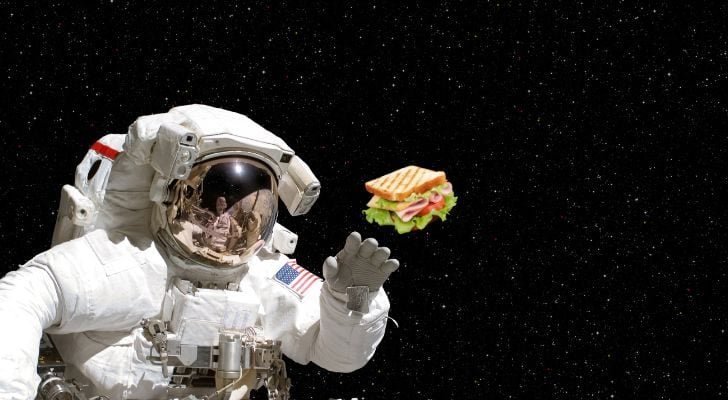
During the Gemini III mission in March 1965, astronaut John Young famously concealed a corned beef sandwich in the pocket of his spacesuit and produced it mid-flight to share with mission commander Gus Grissom, much to NASA’s alarm. The concern wasn’t the sandwich itself but the bread crumbs — in microgravity, floating crumbs can get into instruments, eyes, and lungs, posing genuine safety risks. The incident prompted a formal congressional inquiry and led NASA to develop the now-standard solution: tortillas, which are pliable, largely crumb-free, and much easier to eat safely in weightless conditions.
People in Ecuador make sculptures from bread.
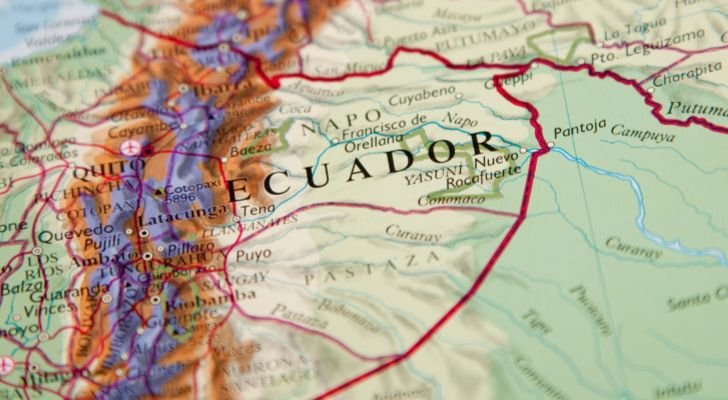
In Calderón, a town on the outskirts of Quito, Ecuador, artisans practice a tradition called masapán — the creation of intricately detailed figurines and sculptures crafted from a bread-based dough. Originally, the figures were made as offerings for Día de los Muertos altars, part of the broader Latin American tradition of pan de muerto (bread of the dead), which involves placing bread as a symbolic gift for the spirits of the deceased. Modern masapán pieces have evolved into elaborate collectible art objects, though they are entirely inedible — white craft glue is mixed into the dough to preserve and harden the finished sculptures.
One way of making gluten-free bread uses flour made from crickets.
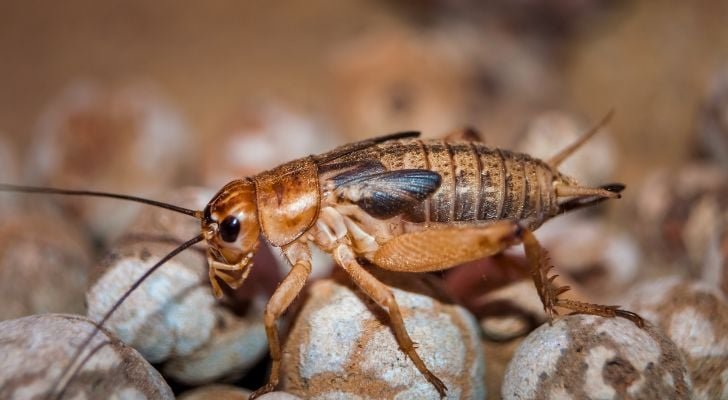
Researchers at an Italian university developed a gluten-free bread made from flour produced by freeze-drying and grinding crickets, exploring the potential of insect-based proteins as a sustainable alternative to conventional grain flours. The resulting bread was reported to taste broadly similar to conventional wheat bread, with a distinctive earthy aroma, though its texture differed due to the absence of gluten — the protein network that gives wheat bread its characteristic chewiness and stretch. Beyond serving those with celiac disease, cricket flour bread is of interest to environmentalists: producing insect protein requires a fraction of the land, water, and feed that conventional livestock farming demands.
Wheat and bread symbolize the cycle of life within many cultures.
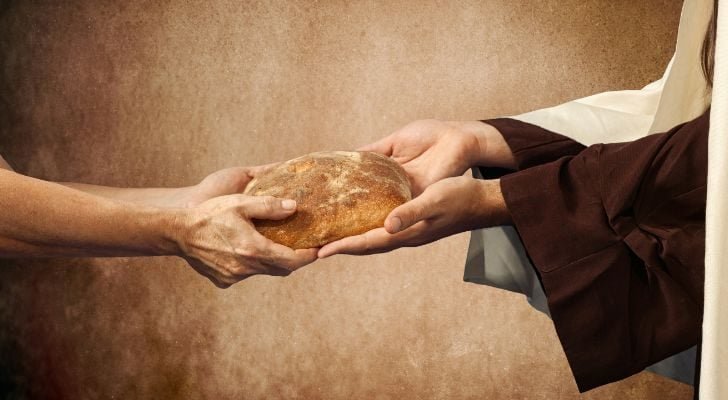
Across virtually every major world religion and ancient culture, bread and wheat carry deep symbolic weight connected to life, death, rebirth, and the divine. In Christianity, bread is central to the Eucharist — the body of Christ — and the very name of Jesus’s birthplace, Bethlehem, means “house of bread” in Hebrew. Ancient Egyptians filled ceramic statuettes of Osiris with wheat seeds and placed them in tombs to ensure the resurrection of the deceased. In Hinduism, offering bread to guests is considered a sacred duty. These overlapping traditions across cultures that had no contact with one another speak to bread’s unique role as a food so fundamental to survival that it naturally becomes sacred.
From ancient grinding stones to space-smuggled sandwiches, bread has woven itself into nearly every chapter of human civilization. It’s been currency, medicine, art, sacred offering, and military ration — and somehow, it still tastes best with just a little butter. The next time you reach for a slice, you’re participating in a tradition that stretches back at least 30,000 years.
Kaleeg Editorial Note: We hope these 21 facts about Bread sparked your curiosity! Our team works hard to bring you accurate, engaging fact lists across every topic imaginable. If you loved this article, explore more in our fact library — and don’t hesitate to get in touch if you’d like to suggest a topic!




 ↑
↑