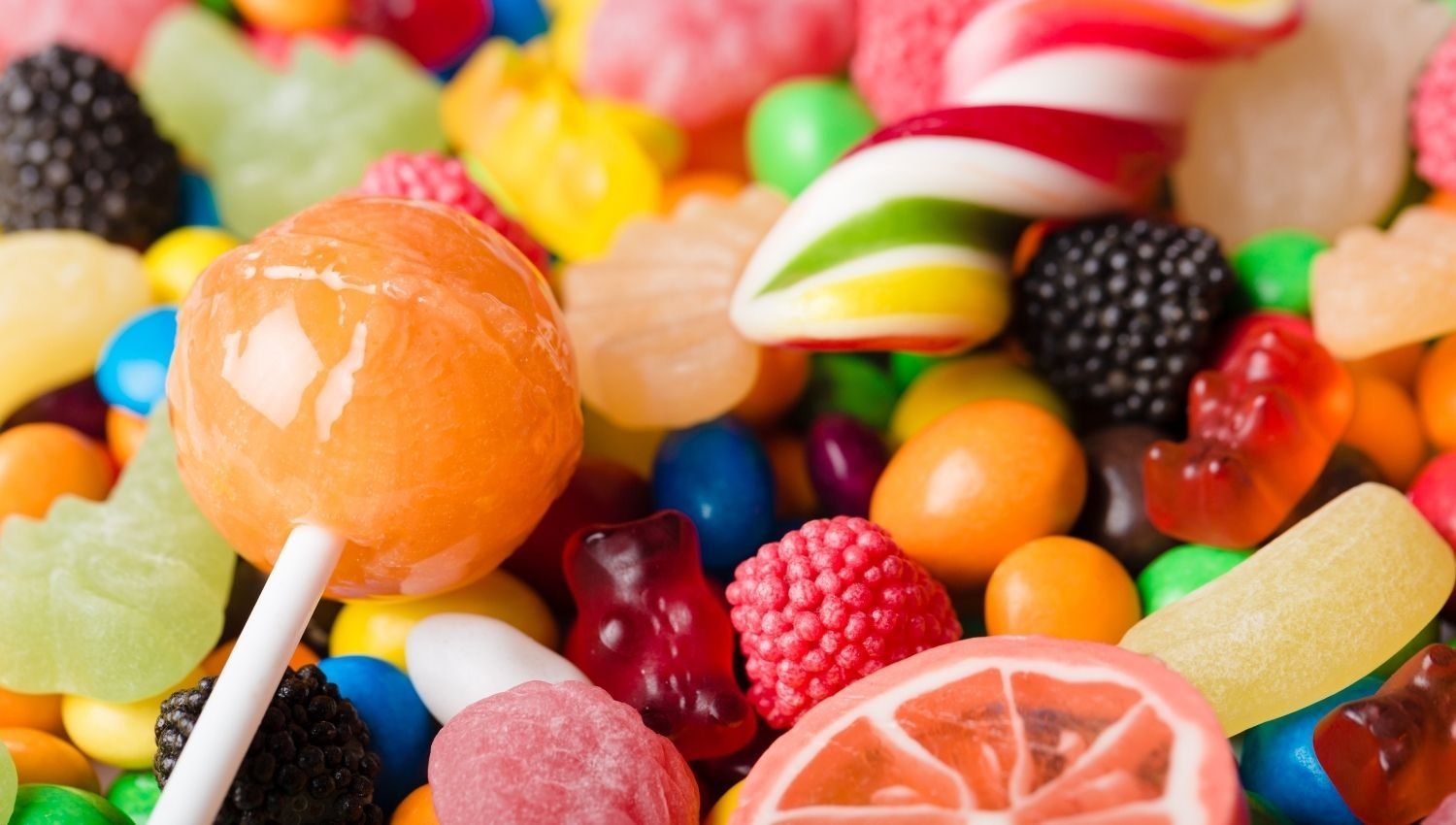
Few treats carry as much history as the humble hard candy. Celebrated every December 19, National Hard Candy Day is the perfect excuse to learn something sweet about one of the world’s oldest confections. Our Kaleeg team has put together everything you need to know about National Hard Candy Day.
History of National Hard Candy Day
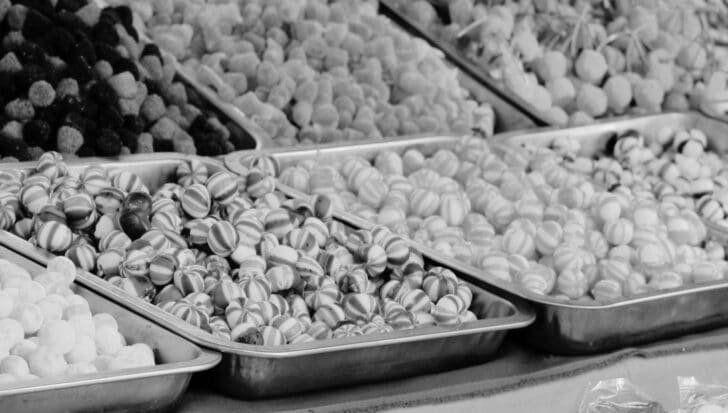
The precise origins of National Hard Candy Day as a holiday are lost to time, but the candy itself has a history stretching back thousands of years. Ancient Egyptians, Greeks, and Romans all made early forms of hard candy, typically using honey as a base and incorporating fruits, nuts, and spices for flavor. From the 17th century onward, pharmacists began using candy-making techniques to create medicated lozenges — the forerunners of today’s cough drops — turning sweet confections into vehicles for herbal remedies. It was the Industrial Revolution, however, that truly transformed hard candy from a luxury item into an everyday pleasure, making it cheap enough for everyone to enjoy and sparking the global love affair with sweets that continues to this day.
How to Celebrate National Hard Candy Day

Eating as much candy as you can is a perfectly valid way to mark the occasion, but National Hard Candy Day offers a few more imaginative options for those who want to go all in.
Visit the oldest candy company in America.
Ye Olde Pepper Companie in Salem, Massachusetts, holds the distinction of being the oldest candy company in the United States, having been founded in 1806. Their signature product, the Salem Gibraltar — a tangy, lemon-flavored hard candy — has been made continuously since the company’s founding and is genuinely worth seeking out. Visiting on December 19 makes for a deliciously historic way to mark the day.
Have a go at making your own hard candies!
Homemade hard candy is more achievable than most people think. The basic ingredients are simple — sugar, corn syrup, water, and your choice of flavoring — and the process mainly requires patience and a candy thermometer. Once you’ve mastered a single batch, you can experiment with different colors and flavors, pour the molten candy into shaped molds, or layer multiple colors for a striking visual effect.
Give some early Christmas gifts of candy to your loved ones.
December 19 falls just days before Christmas, making it a natural moment to share a little sweetness with the people you care about. Whether you’ve made your own candies at home or found a beautiful tin of butterscotch drops or classic peppermints at a local shop, wrapping up a bag of sweets and giving them as an early gift is a simple and thoughtful gesture to warm up the holiday season.
National Hard Candy Day FAQs
What is hard candy made of?
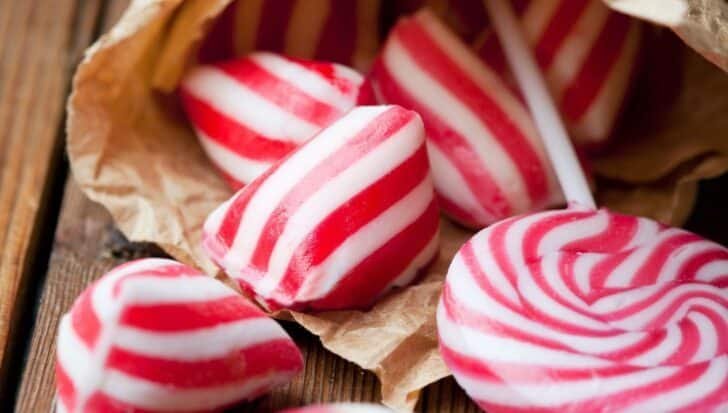
At its core, hard candy is almost entirely sugar — typically a combination of sucrose, glucose, and sometimes fructose — making up around 98% of the total composition. The remaining small fraction consists of flavorings, colorants, and occasionally acids like citric acid, which give sour candies their characteristic bite. The high sugar content and the process of cooking it to a very high temperature are what give hard candy its distinctive glass-like texture and long shelf life.
What is the most popular hard candy flavor?
Despite the enormous variety of hard candy flavors available around the world — from watermelon to green apple to cinnamon — cherry has consistently ranked as the most popular flavor globally. The combination of sweetness and a slightly tart edge seems to have universal appeal. In the United States, cherry is closely followed by strawberry and orange, while fruit-forward flavors in general tend to dominate the market over more unusual options.
Why do we like sweets like hard candy?
Our attraction to sweet foods is deeply rooted in human evolutionary history. For our hunter-gatherer ancestors, sweetness was a reliable signal that a food was rich in energy-dense sugars — an important cue at a time when caloric scarcity was a constant concern. That wiring hasn’t changed, even in a world where sugar is abundant. The pleasure we feel when eating something sweet is driven by the same biological reward systems, which is why hard candies — despite being nutritionally minimal — continue to bring so much satisfaction.
5 Fun Facts About Hard Candy
The tools used to make hard candy have barely changed since ancient times. Archaeologists excavating the ruins of Herculaneum — the Roman city buried by Mount Vesuvius — uncovered a remarkably intact confectioner’s kitchen, complete with pots, pans, and molds strikingly similar to those used by candy makers today.
During the Middle Ages, Persian traders and scholars played a pivotal role in spreading sugar cane cultivation and candy-making techniques westward into Europe and Central Asia. Before this, most European sweets were honey-based, and refined sugar candy was a rare and expensive luxury item traded along the Silk Road.
The ancient Egyptians are generally credited as the world’s first candy makers. Their confections were crafted from honey — refined sugar being unknown to them — and typically studded with chopped dates, figs, nuts, and spices to add flavor and texture. These honey-and-nut sweets are remarkably similar to certain confections still sold in the Middle East today.
Sugar-free hard candies are typically made using isomalt, a sugar alcohol derived from beet sugar. Isomalt has roughly half the calories of regular sugar, does not cause the blood sugar spikes associated with sucrose, and importantly does not feed the oral bacteria responsible for tooth decay — making it a genuinely useful alternative for people managing diabetes or trying to protect their dental health.
In Japanese folklore, a terrifying spirit named Kuchisake-onna — the Slit-Mouthed Woman — is said to roam the streets at night. According to the legend, one of the few ways to escape her is to offer her bekkō ame, traditional hard amber candies, which distract her long enough for you to flee. It’s perhaps the most dramatic practical application ever imagined for a piece of hard candy.
Hard candy is far more than a pocket-sized treat. It carries thousands of years of human ingenuity, from ancient honey confections to Industrial Revolution mass production to the sugar-free innovations of modern food science. National Hard Candy Day is a sweet reminder that even the simplest pleasures have surprisingly deep roots — so whether you’re celebrating with a twist of butterscotch or a homemade lemon drop, you’re participating in a very long tradition.
Final Thoughts: National Hard Candy Day | December 19 is genuinely full of surprises, and we’ve only scratched the surface here. We hope you walk away from this list knowing something new. Share your favorite fact with a friend, and check out more curated fact lists on Kaleeg when you’re ready for more.



 ↑
↑