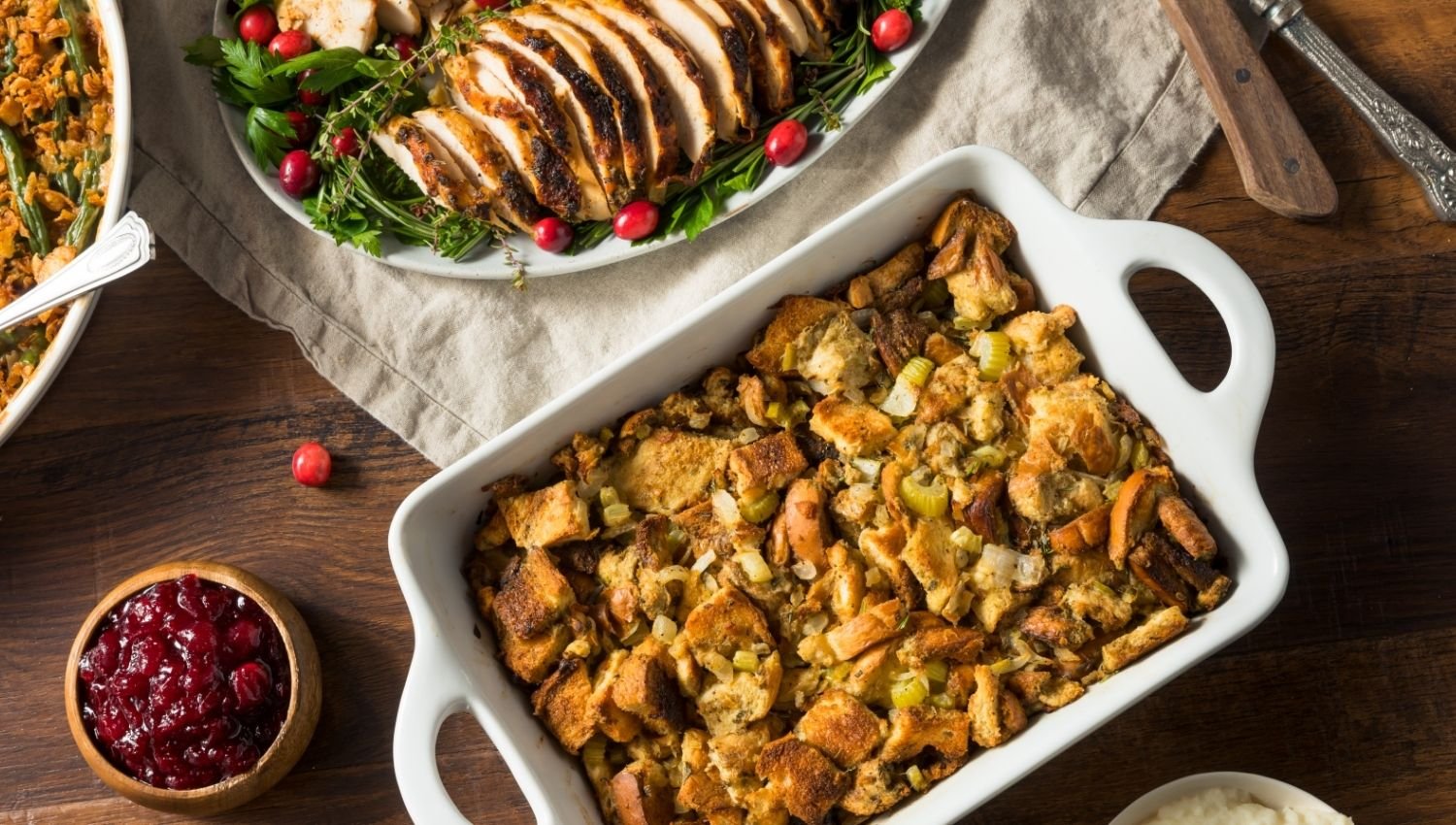
Every Thanksgiving, the debate reignites: should the stuffing go inside the turkey or not? The answer has fascinating roots in food history, science, and tradition. Our Kaleeg team digs into everything you need to know about why stuffing isn’t put inside the Thanksgiving turkey — and what to do about it.
What is stuffing, and where did it originate?
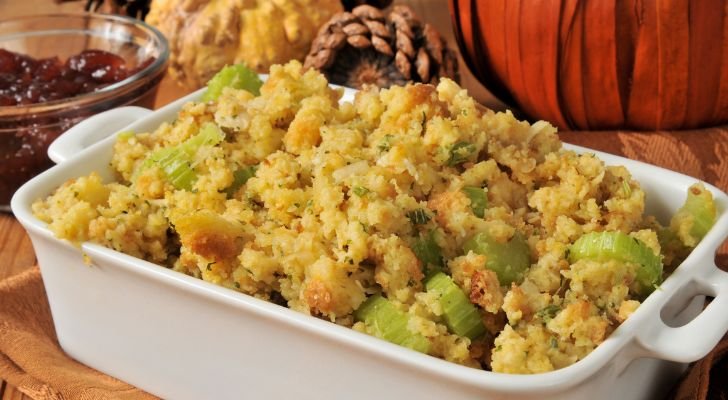
Stuffing is a savory mixture typically built around a starchy base — bread being the most common in North American cooking — combined with aromatics like onion, celery, and herbs, and bound together with eggs or broth. Its function is versatile: it can be cooked inside poultry, packed into vegetables, or baked as a standalone side dish. The earliest written reference to stuffing appears in the ancient Roman culinary text Apicius de re Coquinaria, compiled around the first century AD, which contains detailed instructions for stuffing chickens, rabbits, pigs, and even dormice with mixtures of grains, herbs, spices, and chopped meat. Stuffing traditions vary considerably across cultures — Southern American cooks insist on cornbread as the base, while other regions are more flexible. Around the world, the concept of stuffing takes many delicious forms: Turkish yaprak sarma (spiced minced meat rolled in vine leaves), Balkan punjena paprika (stuffed peppers), North African mafroum (stuffed vegetables in rich tomato sauce), and Indian bharva mirch (whole green chilies filled with spiced mixtures) are all part of the same ancient culinary instinct.
Why is it bad to put stuffing in your Thanksgiving turkey?
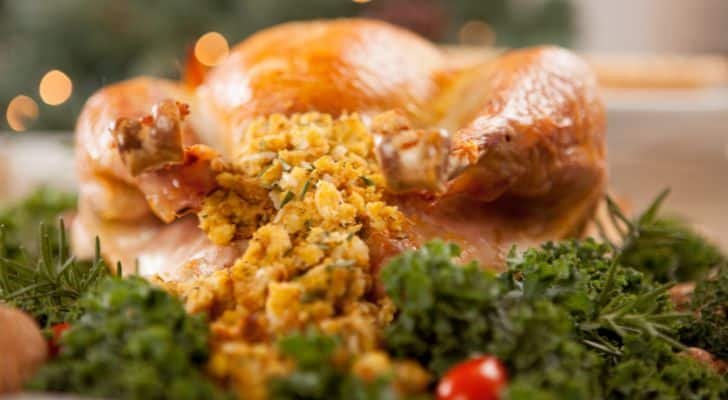
The concern comes down to food safety, and it’s a genuine one. Raw turkey can harbor harmful bacteria — most notably Salmonella — that are only neutralized when the meat reaches an internal temperature of at least 165°F (73.9°C). The problem with stuffing a turkey is that the dense mass inside the bird’s cavity acts as an insulator, slowing the transfer of heat to the center. By the time the stuffing itself reaches a safe temperature, the outer breast meat is often overcooked and dry. More dangerously, raw turkey juices can seep into the stuffing during cooking, and if that mixture doesn’t reach 165°F all the way through, harmful bacteria can survive and cause foodborne illness in anyone who eats it. This is why food safety authorities consistently advise cooking stuffing separately.
What is the purpose of stuffing?
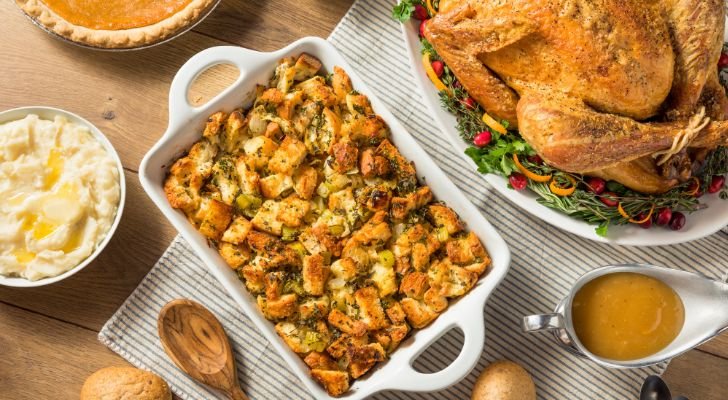
Beyond tradition, stuffing serves several practical culinary purposes. When cooked inside a bird, it engages in a flavor exchange — meat juices and fat absorb into the bread mixture while the herbs, aromatics, and spices infuse back into the surrounding meat, creating a richer, more complex result than either would achieve alone. Stuffing also helps regulate moisture inside the cavity, slowing the rate at which the inner portions of the meat dry out during the long cooking time a large turkey requires. And of course, stuffing plays a deeply cultural role: it is one of those dishes that signals the holiday itself, with different families having treasured recipes passed down through generations that are inseparable from the occasion.
How can you safely cook Thanksgiving stuffing?
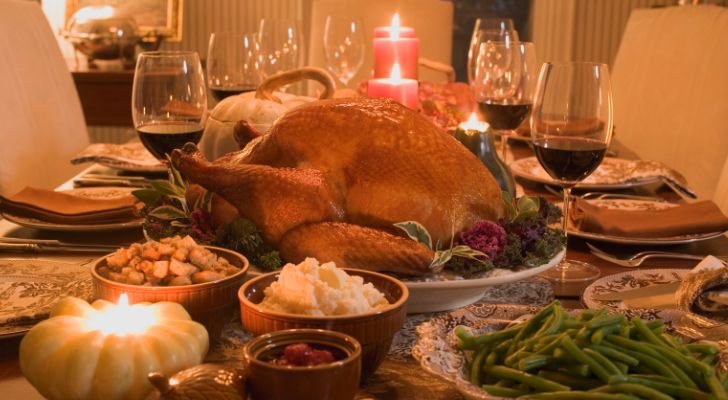
The safest and most reliable approach is to cook your stuffing in a separate baking dish, where you have full control over the temperature and can guarantee it reaches 165°F throughout without the complication of it being inside the bird. This also frees you to cook the turkey to the ideal temperature for the meat alone, which typically produces a juicier result. If you are committed to stuffing the bird, the USDA recommends cooking any meat or shellfish included in the stuffing before it goes in, filling the cavity loosely (never tightly packed) to allow heat to circulate, and verifying the temperature of both the thickest part of the turkey and the center of the stuffing with a meat thermometer before serving. Once roasted, allow the turkey to rest before carving — and if you want extra peace of mind, remove the stuffing and return it to a hot oven for a few additional minutes to ensure it’s fully safe to eat.
Thanksgiving stuffing is one of the holiday’s most beloved traditions, and with a little extra care, there’s no reason it can’t be both delicious and completely safe. Whether you bake it separately in a buttered dish or take the proper precautions to stuff the bird, the real goal is the same: a flavorful, satisfying meal shared with the people you’re grateful for.
The Bottom Line: From the surprising to the thought-provoking, Why Isn’t Stuffing Put Inside the Thanksgiving Turkey? has more layers than most people ever get to explore. These several facts are a great starting point. Which one surprised you most? We’d love to hear from you!


 ↑
↑