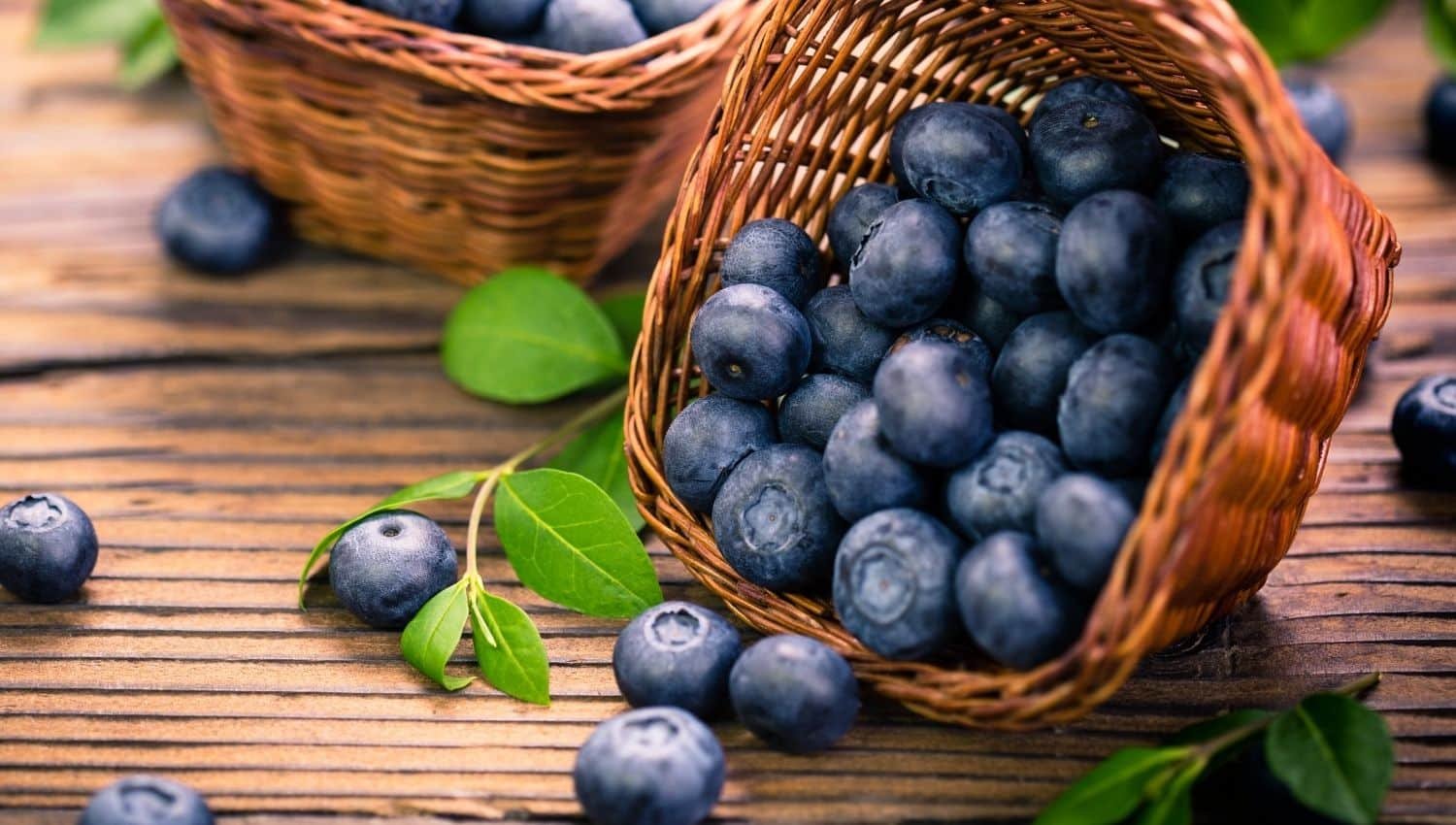
Blueberries might be small, but they pack an enormous amount of wonder into every little sphere. The Kaleeg team has gathered 10 brilliant facts about Blueberries that will make you appreciate this remarkable fruit even more.
Blueberries have a plethora of health benefits.

Blueberries are among the most nutrient-dense foods on earth, loaded with vitamins C and K, fiber, and some of the highest antioxidant levels of any commonly eaten fruit. Those antioxidants — primarily anthocyanins — help neutralize free radicals and have been linked to a reduced risk of heart disease and certain cancers. Research also shows that regular blueberry consumption can protect against DNA damage and help maintain healthy brain function, including improved memory and delayed cognitive decline. Athletes even benefit from blueberries, as studies suggest the fruit can reduce muscle soreness and oxidative stress after intense exercise.
Blueberries get their color from a waxy coating.
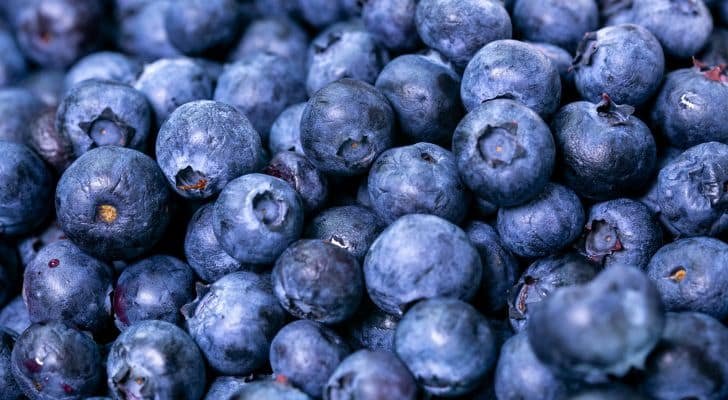
A 2024 study revealed that the vivid blue you see on a blueberry comes not from the flesh, but from a thin, waxy outer coating packed with microscopic nanostructures that scatter blue and UV light in all directions. This coating — called epicuticular wax — is what gives the berry that distinctive powdery, frosted appearance. Researchers found they could crystallize this wax onto a surface and reproduce the same striking blue color. Interestingly, while humans only perceive the blue wavelengths, birds can also detect the UV light reflected by the wax, making blueberries even more visually appealing to them.
The largest producer of blueberries is found in Asia.

China has grown to become the world’s leading blueberry producer, generating roughly 477,000 tons per year — a staggering output that reflects how dramatically the country scaled up commercial cultivation over the past two decades. Much of China’s blueberry production is concentrated in provinces like Guizhou and Liaoning, where climate conditions are well-suited for the crop. The United States and Peru follow China as the second and third largest producers respectively, with global demand for blueberries continuing to climb each year.
There are around 150 types of blueberries.
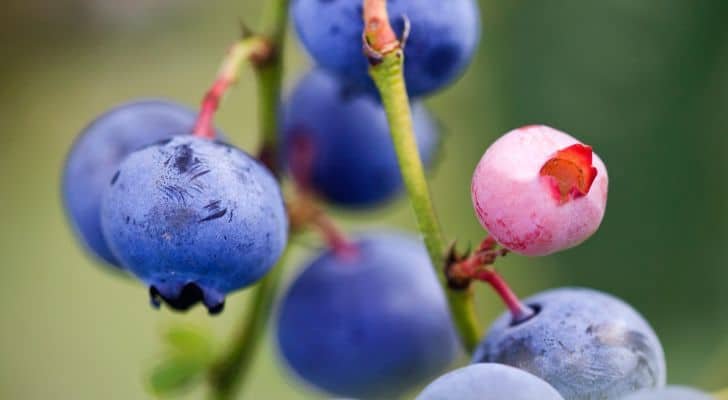
With approximately 150 known species in the Vaccinium genus, the blueberry family is far more diverse than most people realize. The four most commercially significant types are highbush, low”ush, half-high (a hybrid of the two), and rabbiteye. Highbush varieties tend to be large and mildly sweet, while lowbush berries are smaller but intensely flavored — these are the ones often sold as “wild blueberries.” Rabbiteye blueberries get their curious name from the fact that they turn pinkish-red, resembling a rabbit’s eye, before ripening to their signature deep blue.
Blueberries were first cultivated in the 1900s.

Before the early 20th century, blueberries grew only in the wild and were harvested by foragers rather than farmed commercially. That changed thanks to New Jersey farmer Elizabeth White, who in the 1890s became convinced the fruit had commercial potential. She teamed up with USDA botanist Frederick Coville, and together they developed the first successful cultivation techniques, selling their inaugural commercial crop in 1916. Their pioneering work laid the foundation for an industry that now sees the United States alone producing well over 300,000 tons of blueberries annually.
Sunshine is vital for growing blueberries.

Blueberry plants thrive in full sun, requiring at least six to eight hours of direct sunlight per day to produce a healthy, flavorful crop. In addition to sunlight, they need well-drained, acidic soil with a pH between 4.5 and 5.5 — conditions that mimic the pine forests and heathlands where wild blueberries naturally grow. Plants kept in too much shade tend to produce fewer berries, and the fruit that does develop is often less sweet and more prone to disease. Given the right environment, however, a well-established blueberry bush is a remarkably productive and long-lived plant.
There is a Wild Blueberry Heritage Center in North America.

Nestled in Columbia Falls, Maine, the Wild Blueberry Heritage Center was founded in 2016 by blueberry grower Marie Emerson to celebrate and protect one of Maine’s most beloved agricultural traditions. The non-profit organization focuses on three core missions: preserving the largest contiguous wild blueberry region in the United States, supporting the regional food economy, and providing educational experiences for visitors and the local community. The building itself is instantly recognizable — it’s housed in a blue dome structure designed to look like a giant blueberry sitting on a landscape of barrens.
Blueberries have an entire month dedicated to them.

July is officially National Blueberry Month in the United States, a designation that dates back to 1974 when it was formally recognized by the U.S. Senate and House of Representatives — with President Nixon urging all Americans to mark the occasion with blueberry-themed activities. July is the peak of the blueberry harvest season in much of the country, making it the ideal month to celebrate. For those who want an even more specific reason to snack, National Blueberry Day falls on July 8 each year, giving fans two overlapping opportunities to honor their favorite berry.
One blueberry bush can produce thousands of blueberries a year.
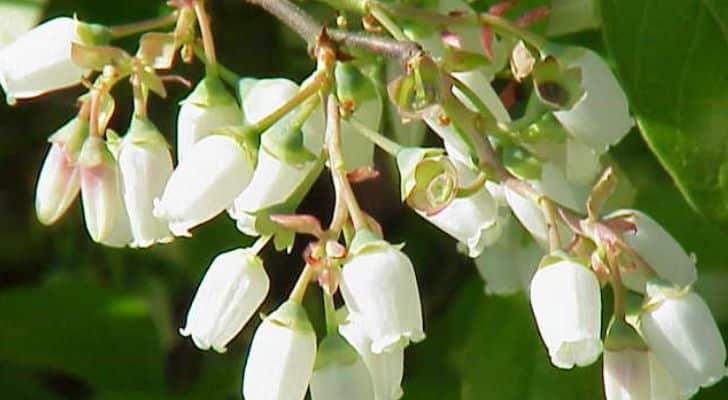
A mature blueberry bush first erupts in a display of delicate white or pale pink bell-shaped flowers each spring, which are pollinated primarily by bees before developing into clusters of berries. Under good growing conditions, a single established bush can yield anywhere from 5,000 to 6,000 blueberries in a single season. Most blueberry bushes reach peak production at around six to eight years of age and, with proper care, can continue bearing fruit for decades — making them one of the most rewarding long-term investments a gardener can make.
Blueberries were considered a sacred fruit by Native Americans.

Long before European settlers arrived, Indigenous peoples across North America held blueberries in deep reverence, using them for food, medicine, and spiritual ceremony. The star-shaped blossom at the end of each berry led many Native American communities to call them “star berries,” believing they were sent by the Great Spirit to feed their children during times of famine. Blueberries were dried and incorporated into pemmican (a dense, preserved food), used as a medicinal tea for coughs and labor, and offered during sacred ceremonies as a symbol of renewal, protection, and gratitude to the spirit world.
From their scientifically fascinating waxy coating to their centuries-old spiritual significance, blueberries are truly one of nature’s most extraordinary fruits. Whether you eat them fresh, blend them into a smoothie, or bake them into something delicious, you can now enjoy every bite with a richer appreciation of what makes these tiny berries so remarkable.
Kaleeg Editorial Note: We hope these 10 facts about Blueberries sparked your curiosity! Our team works hard to bring you accurate, engaging fact lists across every topic imaginable. If you loved this article, explore more in our fact library — and don’t hesitate to get in touch if you’d like to suggest a topic!




 ↑
↑