Great facts have a way of changing how we see the world. Here are 10 tip-top facts about TikTok, handpicked and verified by our editorial team. Some of these might genuinely surprise you — even if you think you already know the subject well.
TikTok was the most downloaded app globally in 2020 and 2021.
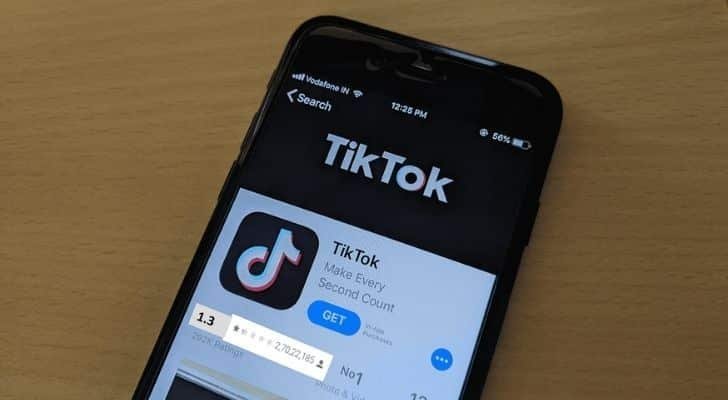
During March 2020 alone, TikTok was downloaded nearly 115 million times — a record-breaking single-month figure that no other app had come close to at that point. The COVID-19 lockdowns played a significant role, as people worldwide turned to their smartphones for entertainment while stuck at home. By the close of 2021, TikTok had racked up 656 million downloads for the year, comfortably outpacing Instagram, which came in second with 545 million. These numbers cemented TikTok’s status as the undisputed download champion of that era.
TikTok is called Douyin in China.

TikTok’s story begins in China, where tech giant ByteDance launched the original app under the name Douyin in 2016. When the company decided to expand internationally, it rebranded the platform as TikTok and rolled it out to Western markets in 2017. While Douyin and TikTok share the same core technology and short-video format, they operate as separate platforms with distinct content libraries. Douyin tends to attract a broader age range within China, from teenagers all the way to middle-aged adults, whereas TikTok internationally skews younger.
Around 41% of TikTok users are between the ages of 16-24.
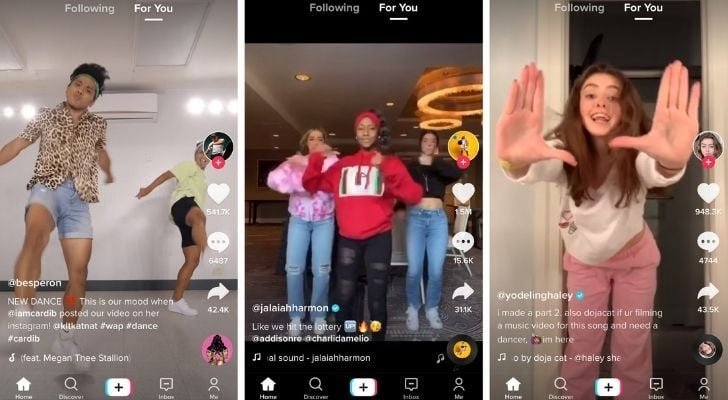
From its earliest days, TikTok was designed with young creators in mind, offering tools for lip-syncing, dancing, comedy sketches, and spontaneous self-expression. A 2019 survey found that roughly 41% of the platform’s global user base fell between the ages of 16 and 24 — a figure that speaks volumes about its cultural appeal. The app’s short-form, creativity-first format resonates especially well with Gen Z, who grew up communicating through video. For many young people, TikTok is less of a social network and more of a creative stage.
TikTok was originally called Musical.ly.

Before TikTok existed, there was Musical.ly — a lip-syncing and short-video app launched in 2014 that built a devoted following among teenagers. ByteDance acquired Musical.ly on November 9, 2017, for approximately $1 billion USD, recognizing its massive young audience as the perfect foundation for global expansion. The two platforms were formally merged on August 2, 2018, folding Musical.ly’s user accounts into TikTok and creating one unified community. This merger gave TikTok an instant, ready-made audience and significantly accelerated its rise to global dominance.
In 2019 TikTok introduced advertisements encouraging users to take breaks from the app.
As part of a broader wellbeing initiative called “You’re in Control,” TikTok launched in-app advertisements in 2019 that nudged users to step away from their screens. The campaign partnered with popular TikTok creators to deliver reminders to drink water, grab a snack, or simply go outside — acknowledging that the app’s endless scroll could make hours disappear in what felt like minutes. It was a refreshingly self-aware move from a platform built on keeping users engaged, and it helped position TikTok as a responsible digital space for younger audiences.
TikTok is banned in India.
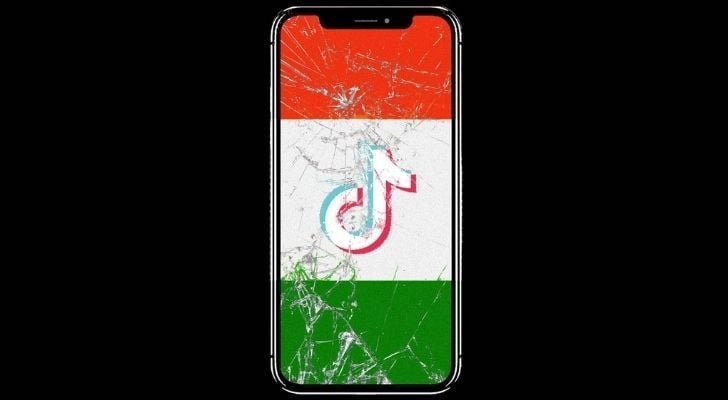
India was once TikTok’s single largest market, accounting for over 611 million downloads — roughly 30% of the app’s total global installs. That figure dwarfed even the United States, which recorded around 200 million downloads by 2021. However, on June 29, 2020, India’s Ministry of Electronics and Information Technology banned TikTok along with dozens of other Chinese-owned apps, citing national security and data privacy concerns. The ban remains in effect, cutting off ByteDance from what had been its most valuable user base outside China.
TikTok has a time management feature.

Ahead of the “You’re in Control” advertising campaign, TikTok quietly introduced a screen time management feature in April 2019 that let users set daily limits on how long they could use the app. The tool was framed around the concept of “digital wellbeing,” giving users — and particularly parents — more control over their consumption habits. This initiative followed growing research suggesting that looping short-form video could negatively impact attention spans, especially in younger users whose brains are still developing. TikTok’s proactive stance on this issue was notable, given that most social platforms were reluctant to acknowledge screen time as a concern.
The average total time spent on TikTok per day is 52 minutes.

According to data from Business of Apps, the average TikTok user in 2019 spent around 52 minutes on the platform each day, opening the app approximately eight times and staying for roughly six to seven minutes per session. That near-hour of daily usage puts TikTok in very close company with Instagram, where users averaged around 53 minutes per day. What makes TikTok’s figure particularly impressive is how quickly it achieved those engagement levels compared to apps that had been around for over a decade. The platform’s algorithm, which rapidly learns individual tastes, is widely credited for keeping viewers hooked.
90% of TikTok users use the app multiple times daily.
Research suggests that around three-quarters of all downloaded apps are opened just once and then effectively abandoned — making genuine daily engagement a rare achievement for any platform. TikTok bucks that trend decisively: approximately 90% of its users return to the app multiple times every single day. That level of habitual use reflects how effectively TikTok’s recommendation engine serves up content that feels personally tailored, making each session feel fresh rather than repetitive.
As of 2022, TikTok is worth around $75 billion.

TikTok’s financial trajectory has been nothing short of extraordinary: from a valuation of $7.4 billion at the end of 2018, it surged to $17 billion by the close of 2019, and briefly became the world’s most valuable privately held company in early 2020. By 2022 estimates placed its worth at approximately $75 billion, a testament to its advertising revenue growth and global reach. For creators on the platform, the financial rewards can be substantial too — top TikTok influencers reportedly earn anywhere between $50,000 and $150,000 per year through brand deals, the Creator Fund, and live gifting.
TikTok has reshaped how a generation creates, consumes, and shares content, growing from a niche lip-syncing app into one of the most powerful social media forces on the planet. Its blend of smart algorithms, bite-sized creativity, and genuine community has made it far more than just another social network. Whether you’re a casual scroller or an aspiring creator, there’s no denying TikTok’s extraordinary impact on digital culture.
And that’s a wrap on 10 tip-top facts about TikTok! Whether you came in as a curious beginner or a seasoned enthusiast, we hope this list delivered something genuinely new. Head over to our technology section for even more curated facts — the learning never stops at Kaleeg.




 ↑
↑