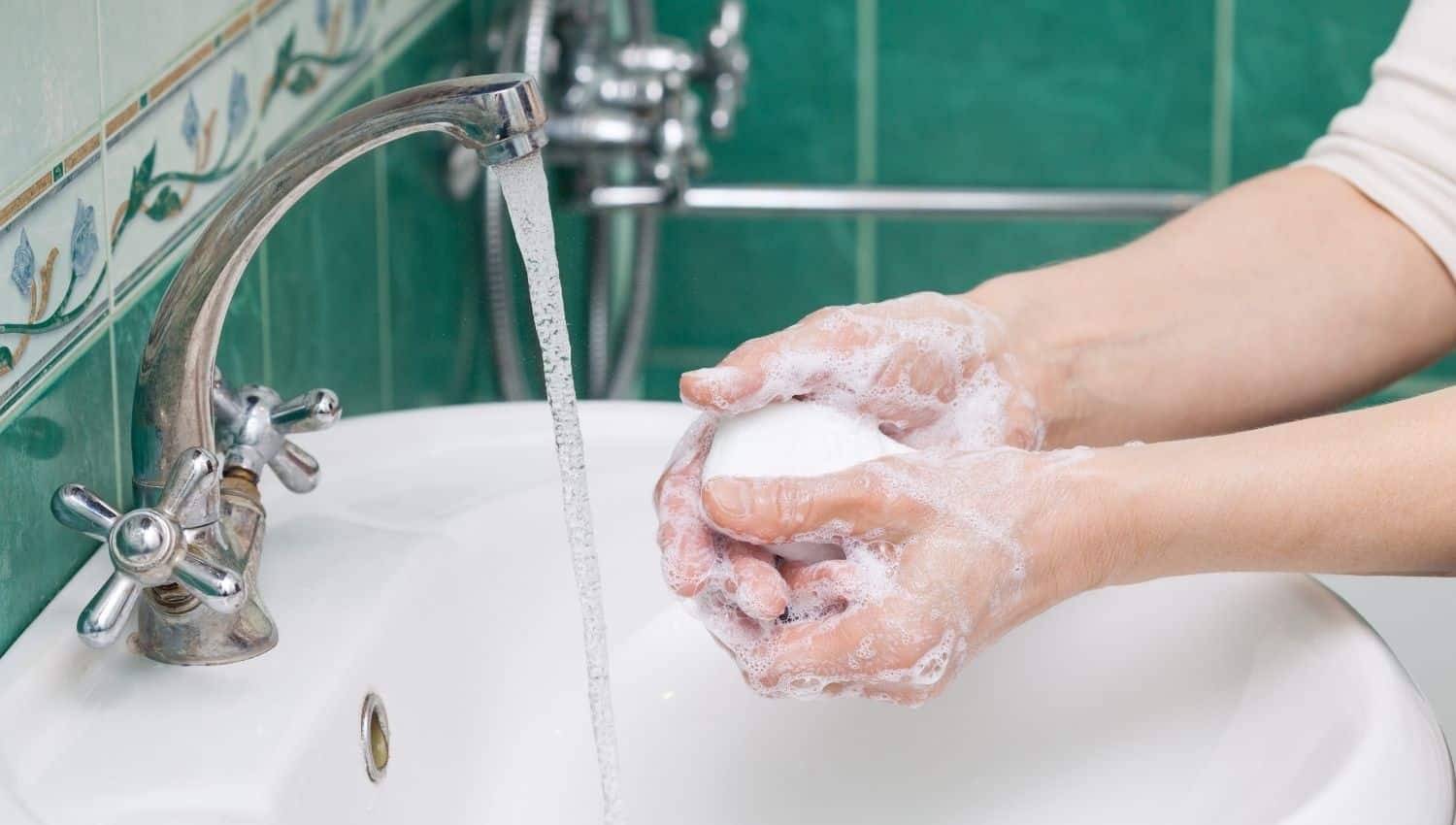
Curious minds, this one’s for you. We’ve put together several genuinely fascinating facts about How Does Soap Clean Away Germs and Dirt?, carefully reviewed by our team to ensure every single one is accurate and worth your time. Let’s dive in.
What is soap made of?
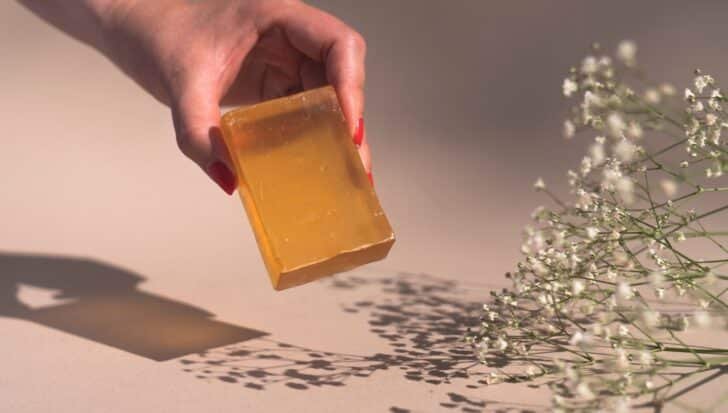
At its core, soap is the product of a chemical reaction called saponification, in which fats or oils are combined with a strong alkali — traditionally lye — to produce fatty acid salts that we recognize as soap. The ancient Babylonians were making rudimentary versions of this as far back as 2800 BCE, using animal fats and the ash of burnt wood as their ingredients.
Modern soap manufacturing has refined and industrialized the same basic chemistry, creating a vast spectrum of products tailored for different textures, scents, and skin types. What began as a practical discovery in ancient civilization has evolved into one of the world’s most important public health tools.
Beyond personal hygiene, soap has found surprisingly diverse applications. Industrial grades of soap compounds are used as lubricants in metalworking, as pipe sealants in plumbing, and even as environmentally friendly pest deterrents in agriculture — a testament to the versatility of that ancient saponification reaction.
What is the science behind how soap cleans and kills germs?
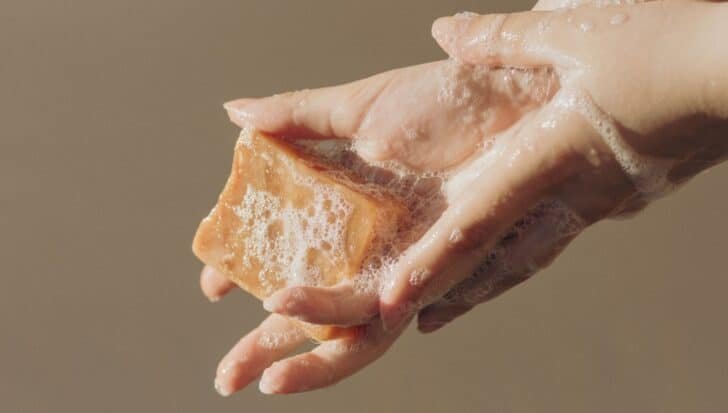
The secret to soap’s cleaning power lies in the unique structure of its molecules. Each soap molecule has two distinct ends: a hydrophilic head that is chemically attracted to water, and a long hydrophobic tail that actively avoids water but readily bonds with oils and fats.
When you lather soap onto a dirty surface, those hydrophobic tails plunge into any grease or oily film present, anchoring themselves to the grime while the hydrophilic heads remain oriented toward the surrounding water. As more and more soap molecules pile in, they form spherical clusters called micelles, with the greasy dirt trapped safely in the center.
Once encapsulated in micelles, the dirt is completely surrounded by water-loving heads and can be rinsed away cleanly without being able to reattach to your skin or clothing. It is one of the most elegant examples of molecular engineering found anywhere in everyday life.
Soap is equally effective against many germs because a number of dangerous pathogens — including influenza and coronaviruses — are protected by a lipid (fatty) membrane. Soap molecules attack and disrupt these membranes just as they do oily dirt, essentially tearing the virus or bacterium apart and rendering it harmless.
Even for hardier microbes whose membranes soap cannot fully dissolve, the lathering action physically dislodges them from skin, allowing them to be washed down the drain with thorough rinsing — which is why technique and duration of handwashing matter so much.
Is antibacterial soap better than regular soap?
Antibacterial soaps contain added chemical agents — most commonly triclosan or triclocarban — designed to kill or inhibit bacteria beyond the mechanical cleaning action of regular soap. These products have been heavily marketed as a superior hygiene choice, but the scientific evidence tells a more complicated story.
The U.S. Food and Drug Administration concluded that antibacterial soaps provide no proven benefit over regular soap and water for everyday handwashing, and in 2016 took action to restrict certain antibacterial ingredients due to safety concerns. The standard physical mechanism of regular soap — lifting and rinsing pathogens away — turns out to be extraordinarily effective without any chemical backup.
The concern goes further than just unnecessary expense. Antibacterial compounds indiscriminately kill beneficial bacteria that normally live on the skin and help defend it against harmful invaders. Regular disruption of this skin microbiome can leave the body more vulnerable, not less, to infection over time.
Perhaps most worrying to public health scientists is the risk of antimicrobial resistance. Repeated exposure to low doses of antibacterial chemicals may encourage the survival of resistant strains, contributing to the global problem of bacteria that no longer respond to standard treatments.
Why is washing with soap and water better than using hand sanitizer?
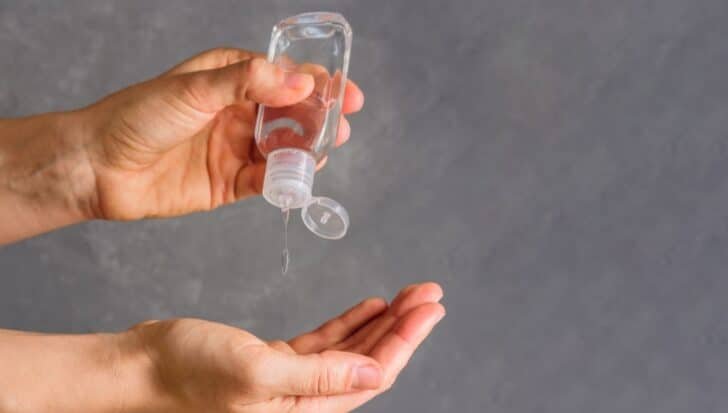
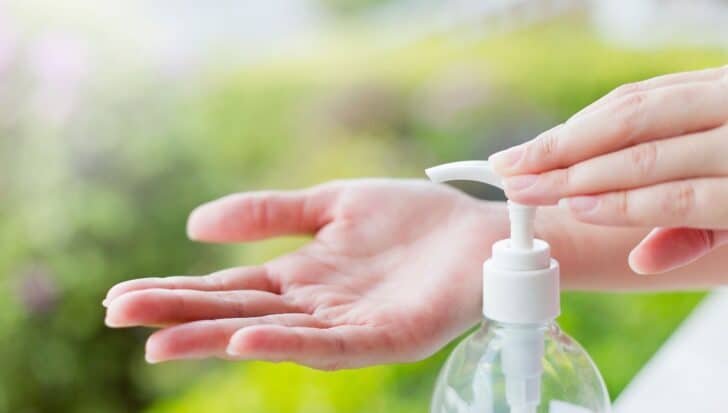
Alcohol-based hand sanitizers work by denaturing the proteins of bacteria and viruses — essentially scrambling their structure so they can no longer function. At concentrations of 60% alcohol or higher, they are genuinely effective against a wide range of pathogens and provide a fast, convenient option when a sink is not available.
However, sanitizers have clear limitations. Certain stubborn microbes, including norovirus and Clostridioides difficile spores, show strong resistance to alcohol and require the physical scrubbing action of soap and water to be removed effectively. If you are in an environment where these pathogens are a risk, hand sanitizer alone is not enough.
Sanitizers also do nothing to remove non-biological contamination. Chemical residues from pesticides, heavy metals, or industrial pollutants cannot be neutralized by alcohol — they need to be physically washed away with soap and water. If you have been gardening, painting, or handling chemicals, only proper handwashing will thoroughly clean your hands.
In practical terms, hand sanitizer is a valuable backup for situations where soap and water are unavailable, but it should never be treated as a long-term substitute. Handwashing with soap for at least 20 seconds — covering all surfaces including the backs of hands, between fingers, and under nails — remains the gold standard of hand hygiene recommended by every major health authority in the world.
Now, you have your answer at last. Soap cleans dirt and kills germs because it attaches to them on a microscopic level, so you can wash them off with water.
But while you don’t need special kinds of soap, you should take the time to scrub your hands for the recommended 20 seconds.
As for hand sanitizers, they’re only a temporary solution. So you still need to wash your hands whenever you can, even if you’ve used hand sanitizer.
Kaleeg Editorial Note: We hope these several facts about How Does Soap Clean Away Germs and Dirt? sparked your curiosity! Our team works hard to bring you accurate, engaging fact lists across every topic imaginable. If you loved this article, explore more in our fact library — and don’t hesitate to get in touch if you’d like to suggest a topic!




 ↑
↑