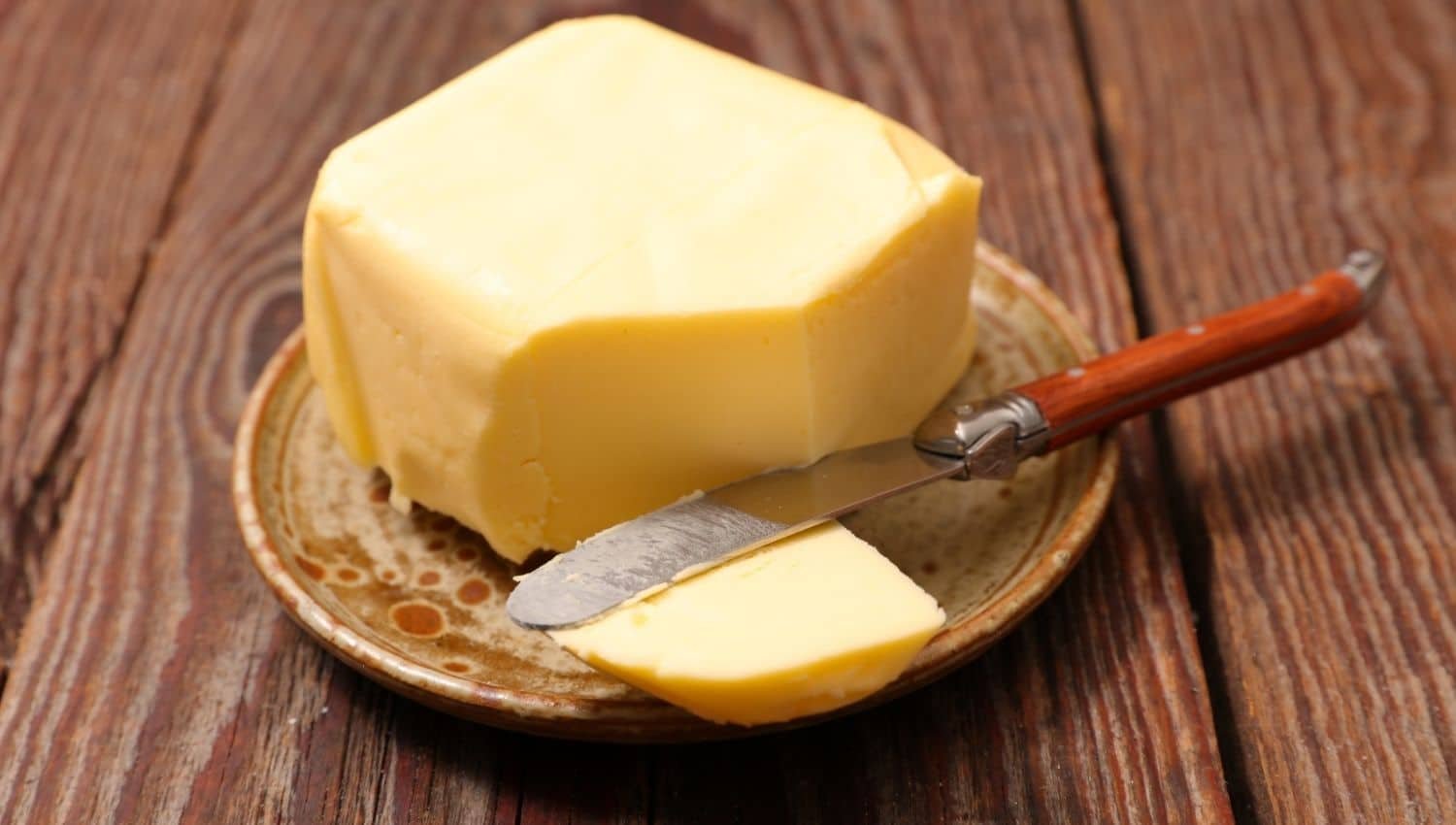
We believe that every subject in the world is interesting once you look closely enough — and Butter is a perfect example. Our Kaleeg team put together 22 amazing facts that prove just how remarkable this subject really is.
No one can say when butter was first made, but it’s believed to have been around for over 9,000 years.
Archaeological evidence points to butter being produced as far back as 8000 BCE, making it one of the oldest dairy products humans have ever made. Ancient rock art in Uganda has even been interpreted as depicting butter-making scenes, hinting at just how foundational this simple food has been to human civilization.
The first batch of butter was probably made by accident. Nomads would often travel with bags of milk tied to their horses, so all that bouncing movement churned the milk into butter.
The rhythmic motion of a skin pouch full of milk sloshing against a horse’s flank over hours of travel would have done exactly what a modern churn does — agitating the fat globules until they clumped together into a solid. It’s one of history’s happiest accidents, turning a basic food into something far richer and more useful.
Most of the butter you’ll find in stores nowadays is made from cow’s milk. However, back then, people used milk from whatever animals they had around, including goats, sheep, and yaks.
Different animals produce milk with varying fat contents, which affects the texture and flavor of the resulting butter. Yak butter, for instance, has a particularly strong, slightly gamey flavor and is still a dietary staple in parts of Tibet and Nepal today, prized for the energy it provides in high-altitude, cold climates.
Butter was so popular and important to Norwegians that every household had it. During the 11th century, they even had to pay the King of Norway a bucket of butter per year as tax!
Using butter as currency wasn’t unique to Norway — across Scandinavia, it was considered a reliable, valuable commodity that could be stored, traded, and, apparently, handed directly to royalty. The fact that it served as tax payment underscores just how essential butter was to everyday Norse life, right up there with grain and livestock.
Surprisingly, butter wasn’t always a popular food choice. In the Middle Ages, it was considered a food for the poor. By the 17th century, even the wealthy couldn’t resist its creamy goodness!
During the medieval period, wealthy Europeans preferred olive oil and exotic spices to signal their status, leaving butter to peasants and laborers. As trade routes shifted and butter-making techniques improved through the Renaissance, its reputation climbed dramatically until it became a marker of rich, indulgent French and Northern European cuisine.
For the ancient Romans, butter was far inferior to olive oil and was seen as a food for northern barbarians. Instead, the Romans rubbed it on their bodies to cure coughs and aching joints!
Roman physician Galen and other ancient writers described butter as a medicinal ointment rather than a food, used to soothe skin conditions and ease respiratory ailments. The Romans were puzzled and mildly disgusted that Germanic and Celtic tribes actually ate the stuff — to them, olive oil was the only civilized fat worth using in cooking.
Butter was once a seasonal food, only available between March and September when cows had fresh, lush vegetation to enjoy.
Before refrigeration and year-round feed supplies, dairy cows produced the richest, most plentiful milk during the spring and summer grazing season. Families who wanted butter through winter had to salt it heavily and store it carefully, making fresh, unsalted butter a genuine seasonal luxury that people looked forward to each spring.
The color of butter depends heavily on the food the cow eats. Grass-fed cows, which get lots of beta carotene in their diet, produce butter with a deeper yellow color than grain-fed cows.
Beta carotene, the same pigment that makes carrots orange, is fat-soluble and transfers directly from grass into a cow’s milk fat. Cows convert some of it to colorless vitamin A, but what remains tints the butterfat a warm, golden yellow — which is why butter from small dairy farms with pasture-raised cows often looks noticeably more vibrant than standard supermarket varieties.
If you’ve ever wondered why European butter tastes creamier than American butter, it’s because both regions define butter differently. In the US, butter typically contains 80% fat; in Europe, the standard is closer to 82-90%.
Even a few extra percentage points of butterfat make a meaningful difference in cooking and taste — European-style butter melts more smoothly, creates flakier pastry, and delivers a richer mouthfeel. Many professional bakers and chefs in the US specifically seek out high-fat European-style butters for this reason, even at a premium price.
Not all butters in the US are made equal. The letters on the packaging, AA, A, and B, grade butter based on its flavor and texture.
The USDA grading system for butter evaluates aroma, body, color, and salt distribution. Grade AA, the highest, is described as having a delicate sweet cream flavor and smooth texture, while Grade B is often reserved for industrial baking where the flavor will be masked by other ingredients anyway.
In the high mountains of Tibet, butter made from yak milk is used for cooking and as a natural moisturizer to protect against the icy cold. More famously, though, it’s added to tea!
Tibetan butter tea, called Po Cha, is made by churning strong black tea with yak butter and salt into a thick, warming drink that looks more like broth than anything you’d recognize as tea. It provides essential calories and fat in an environment where altitude and cold demand maximum energy intake, and it remains a deeply important part of Tibetan social and cultural life.
The slippery art of butter sculpting began in the 16th century, with some of the earliest butter sculptures made by Bartolomeo Scappi, one of Pope Pius V’s chefs.
Scappi’s elaborate butter sculptures appeared in his influential 1570 cookbook, which depicted decorative food presentations fit for papal banquets. The tradition crossed the Atlantic and became a celebrated folk art at American state fairs, where enormous, intricate butter carvings of cows, celebrities, and landmarks became must-see attractions every summer.
Sharon BuMann of Dallas, Texas, broke the record for the largest butter sculpture in the world with an absolutely bonkers 4,077-pound (1,850 kilogram) statue on September 28, 2013.
That’s roughly the weight of a compact car, rendered entirely in butter. State fair butter sculpting competitions have long pushed the limits of what’s possible with the medium, and BuMann’s record-breaking work required enormous refrigerated storage, specialist tools, and what must have been an extraordinary dedication to the art of dairy-based sculpture.
Facing food shortages, Emperor Napoleon III offered a prize for the invention of a cheaper alternative to butter. French chemist Hippolyte Mège-Mouriès succeeded in 1869 when he blended beef tallow and milk, calling it oleomargarine.
Napoleon’s motivation was practical — feeding his army and the French working class was becoming expensive, and butter was in short supply. Mège-Mouriès’s invention won the prize and eventually became the margarine industry that would go on to battle the butter industry fiercely throughout the 20th century, with governments, nutritionists, and consumers all caught in the middle.
The Irish cleverly stored excess butter by burying it in bogs, where the low oxygen and acidity helped keep it from going bad. Over 3,000 years later, these wooden barrels of bog butter are still being unearthed by farmers!
Bogs are remarkable natural preservers — their cold, acidic, anaerobic conditions can halt decomposition almost entirely. Hundreds of bog butter finds have been recorded across Ireland and Scotland, and while the ancient butter is obviously no longer edible, it survives well enough for scientists to analyze its composition and learn how our ancestors processed dairy millennia ago.
Butter is so rich that the Catholic Church believes it can lead people to sin, so it was banned during Lent.
The Church’s Lenten restrictions on rich, indulgent foods were meant to encourage fasting and spiritual reflection. Butter, with its association with luxury and pleasure, fell squarely into the category of things the faithful were expected to give up — alongside meat and other animal fats — for the forty-day period leading up to Easter.
In the 15th century, a loophole allowed the consumption of butter during Lent if you paid the Catholic Church a fee. The church raised enough funds from butter to build the Tower of Butter, part of France’s Rouen Cathedral.
The Tour de Beurre, completed in the late 1400s, still stands today as one of the more unusual monuments to religious compromise in architectural history. Wealthy French nobles and merchants were apparently more than happy to pay for a dispensation rather than give up their beloved butter for forty days — a reminder that the relationship between faith and appetite has always been complicated.
India is the world’s largest butter producer, churning out 7.6 million US tons (6.9 million metric tons) annually.
Much of India’s butter production takes the form of ghee — clarified butter with the water and milk solids removed — which has been central to Indian cooking and religious ceremonies for thousands of years. India’s enormous dairy industry, the largest in the world by volume, is what makes this level of production possible, driven by hundreds of millions of small-scale dairy farmers across the country.
New Zealanders consume more butter per person than any other nationality, with the average Kiwi putting away at least 13.6 lbs (6 kg) of butter yearly.
New Zealand’s agricultural economy revolves heavily around dairy, and the country’s pasture-raised cows produce some of the world’s finest butter. With butter so abundant, affordable, and deeply embedded in the national food culture, it’s little surprise that New Zealanders embrace it with such enthusiasm — whether spread on toast, melted into vegetables, or stirred into classic baking recipes.
Butter shortages can happen sometimes, so countries like Canada and Poland have national butter reserves to manage this. When supply is low and demand rises, the reserves release butter to help maintain stable prices.
The existence of strategic butter reserves illustrates just how economically important dairy fats remain. Poland’s national reserve has been tapped during holiday seasons when demand spikes, and Canada’s reserve system has helped prevent the kind of dramatic price surges that have occasionally rattled European markets when cold winters or dry summers affect milk production.
Every year on November 17, we celebrate National Butter Day. It’s a day to show love to one of the most versatile dairy ingredients with a rich history.
Food holidays have become a popular way to spotlight ingredients and celebrate culinary heritage, and butter — with its ancient origins, surprising cultural history, and universal role in cooking — deserves a day of its own as much as anything. It’s an opportunity for home cooks, chefs, and food enthusiasts to experiment with different varieties and perhaps discover a new appreciation for this humble yet remarkable ingredient.
According to ancient folklore, witches could disguise themselves as butterflies to steal butter and other dairy products from farmers!
This belief was widespread enough in parts of Ireland and Scotland that the word “butterfly” may itself derive from this folk superstition — the “butter fly” being the shape-shifted witch stealing cream from the churn. Protective charms and rituals were commonplace in dairy-keeping households, reflecting how precious and vulnerable the butter supply was in pre-industrial rural communities.
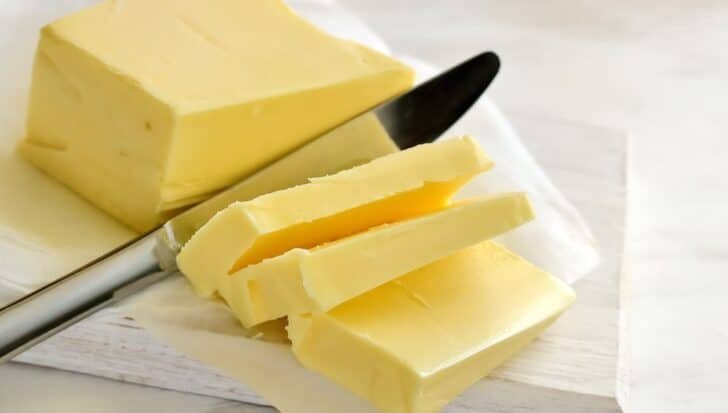
Butter might have come to us by accident, but it’s one mistake we’ll be ever grateful for.
First, it’s delicious and a key ingredient behind the flavor and texture of many sauces and baked goods.
But its impact goes far beyond the kitchen; From religion to folklore, butter is woven into the fabric of our history!
The Bottom Line: From the surprising to the thought-provoking, Butter has more layers than most people ever get to explore. These 22 facts are a great starting point. Which one surprised you most? We’d love to hear from you!



 ↑
↑