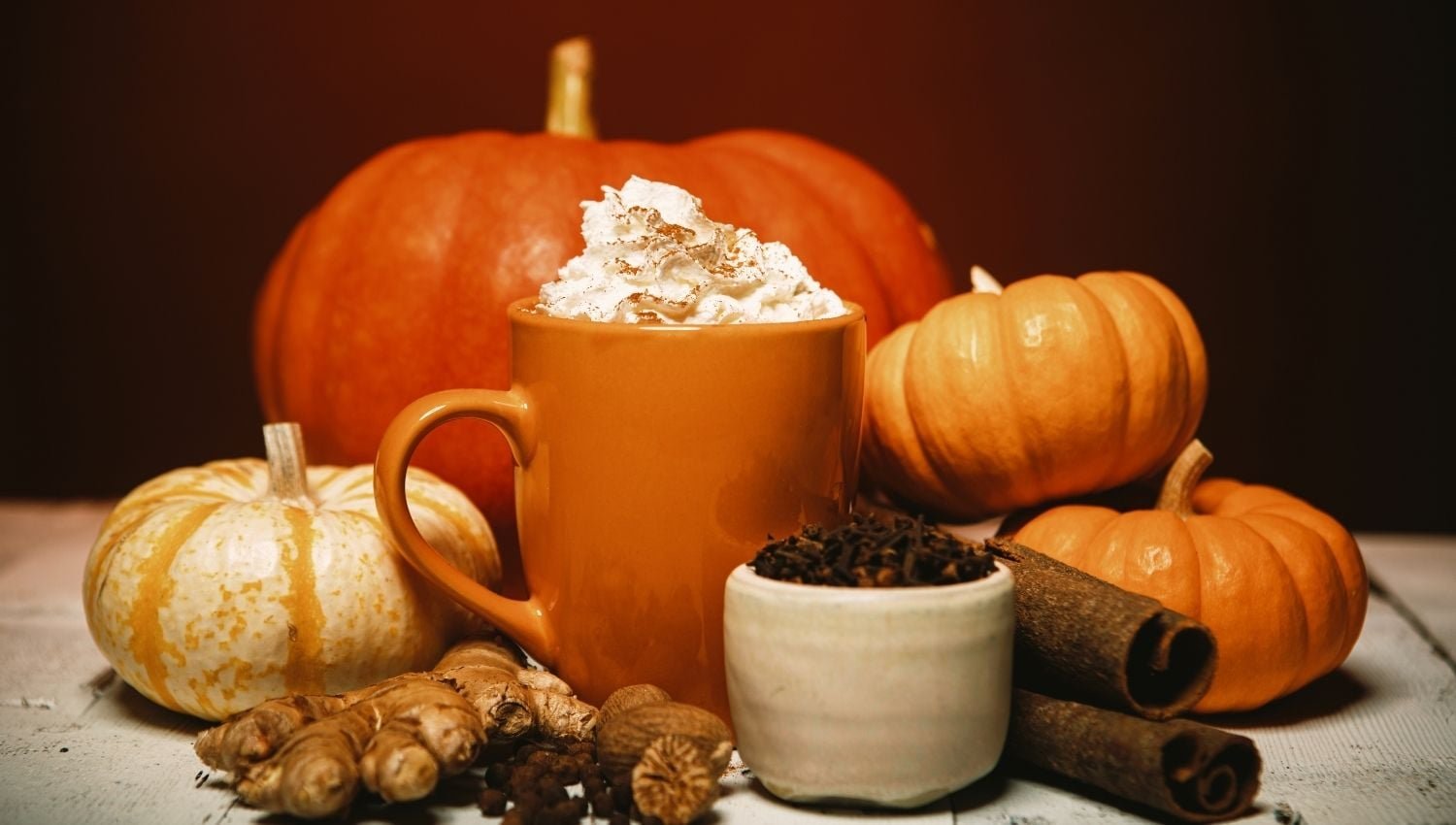
Curious minds, this one’s for you. We’ve put together 10 genuinely fascinating facts about Pumpkin Spice, carefully reviewed by our team to ensure every single one is accurate and worth your time. Let’s dive in.
There’s no pumpkin in pumpkin spice.
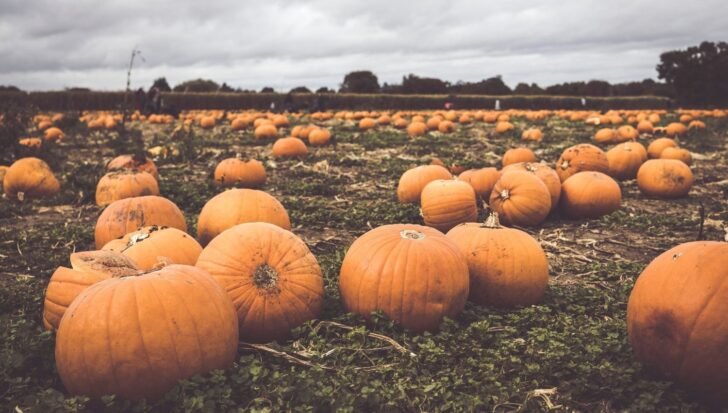
Despite the name, pumpkin spice typically contains cinnamon, ginger, nutmeg, and cloves, with allspice sometimes included in some versions.
The blend was designed to complement the sweet, earthy flavor of pumpkin.
When you taste a “pumpkin spice” latte, you’re really tasting sweet baking spices that pair well with milk and sugar. Cinnamon is typically the dominant note, giving that familiar warm, earthy aroma.
Early pumpkin pies used similar spice blends centuries ago.
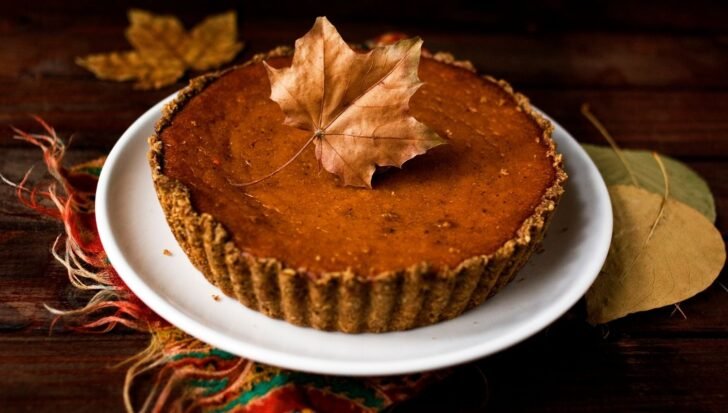
Spiced squash and pumpkin pies have been flavored with combinations of cinnamon, ginger, and nutmeg since at least the 1600s in Anglo-American cookery.
Early recipes featured stewed pumpkin seasoned with these imported spices, sometimes baked in pastry or used in custards.
While the exact phrase “pumpkin spice” is relatively modern, the concept of a pie-friendly mixed spice blend for pumpkin has deep historical roots.
That’s why today’s jarred blends taste instantly nostalgic, even if brands tweak the ratios.
Starbucks launched the Pumpkin Spice Latte in 2003.

Pumpkin Spice Lattes (PSL) quickly became the company’s most popular seasonal drink and now anchors fall menus across the coffee industry.
Many chains now release their own versions in late summer to meet the overwhelming demand from all the fall girlies.
But the craze doesn’t just call Starbucks home; you can pick up a PSL at almost any coffee shop during the cozy season.
The aroma chemistry of pumpkin spice triggers emotional responses.
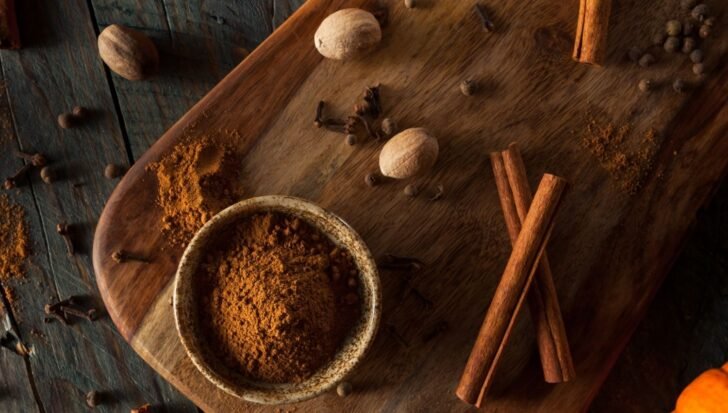
Cinnamon’s cinnamaldehyde delivers a sweet warmth, nutmeg adds spicy, camphor-like notes, ginger contributes zesty heat, and clove’s eugenol brings a cozy, clove-bud kick.
Together, they signal holiday baking, which many people associate with comfort and celebration.
When combined with sugar and dairy, the blend takes on a richer, rounder flavor, creating the nostalgic taste people crave when the weather cools.
Pumpkin spice shows up in far more than coffee.
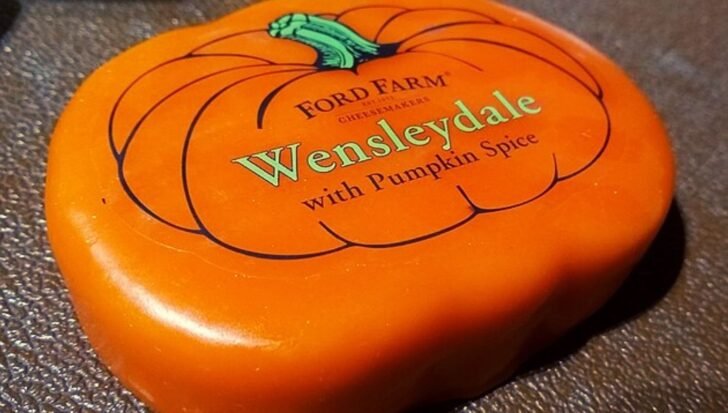
Today, pumpkin spice appears in ice cream, yogurt, snack cakes, creamers, breakfast cereals, and seasonal beers.
Grocers stock limited-time spreads and baking mixes featuring the flavor, while coffee aisles fill with pumpkin spice pods and grounds.
Outside the kitchen, the scent is a bestseller for candles and home fragrances. It’s an easy win, with brands leaning into the flavor’s cozy, autumnal signal to kick off the fall retail season.
In the U.K., a similar blend is called “mixed spice.”
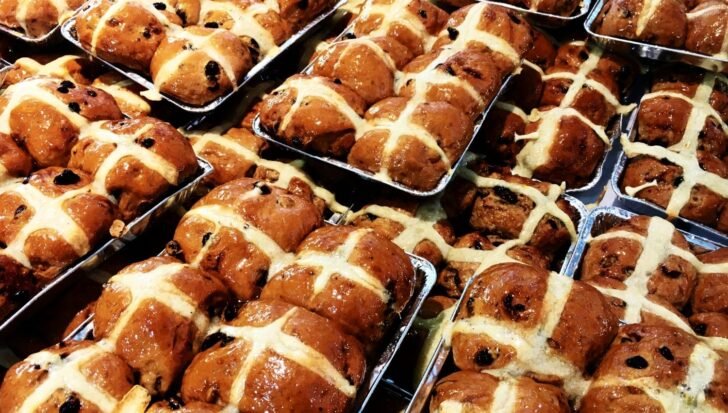
If you bake in Britain, you’ll likely reach for “mixed spice,” a traditional blend often used during Christmas or Easter in cakes, puddings, and hot cross buns.
It typically features cinnamon, nutmeg, allspice, and cloves, sometimes with coriander or caraway.
While not identical to American pumpkin spice, mixed spice serves a similar role: a ready-made baking mix for sweet, warming recipes.
The overlap explains why many British pumpkin desserts taste familiar to U.S. palates, even when labels differ.
Canned pumpkin helped standardize the pie and the spice.
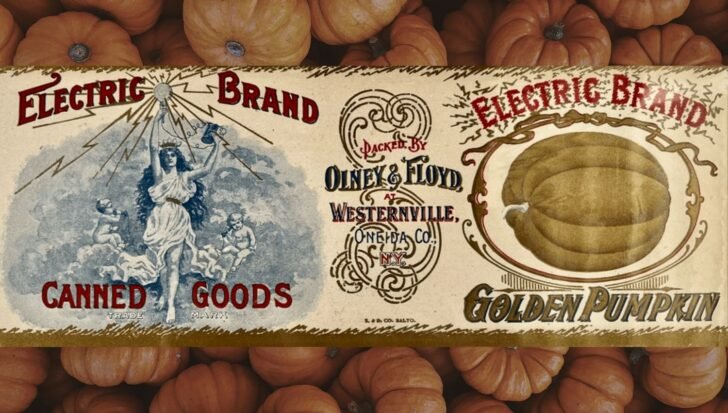
In the 20th century, canned pumpkin purée made pie-making simpler and more consistent. Brands promoted standardized recipes that paired smooth, solid-pack pumpkin with familiar baking spices.
As canned pumpkin became a pantry staple, spice companies began selling jarred pumpkin pie spice to match.
The result was a dependable flavor profile that’s spread far beyond the U.S., with pumpkin spice lattes selling like crazy around the world every fall.
Spice ratios vary by brand and recipe, but cinnamon typically has the highest concentration.
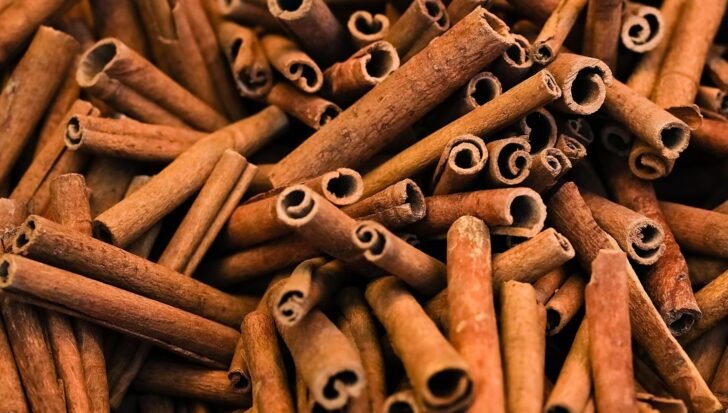
Commercial jars and cookbook formulas juggle cinnamon, ginger, nutmeg, and cloves in different amounts, with some adding allspice, cardamom, or mace for complexity.
Despite those differences, cinnamon usually makes up more than half of the blend by volume. That cinnamon-forward profile is what gives pumpkin spice its recognizable warmth.
You can mix a reliable DIY pumpkin spice at home.
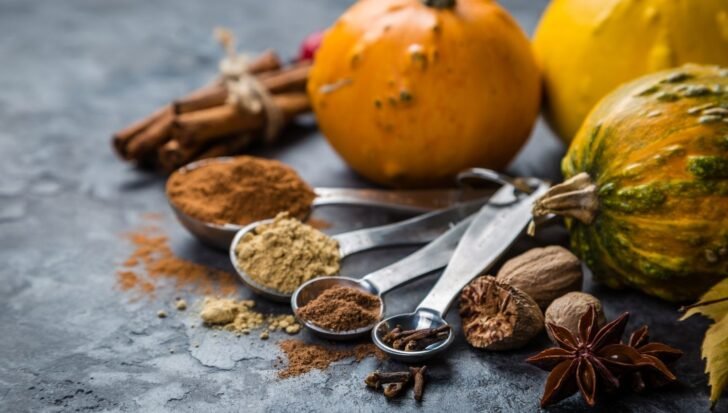
Home bakers often create a simple, balanced blend: for example, 3 tablespoons of cinnamon, 2 teaspoons of ginger, 2 teaspoons of nutmeg, 1 teaspoon of allspice, and 1 teaspoon of cloves.
Stir to combine and store in an airtight jar. This ratio keeps cinnamon in the lead while letting ginger and nutmeg shine, with clove and allspice adding depth.
Once you’ve got a good base, you can try experimenting with different ratios. For example, more ginger will brighten the overall flavor, while clove will soften it.
Don’t overdo the nutmeg in your pumpkin spice blend.
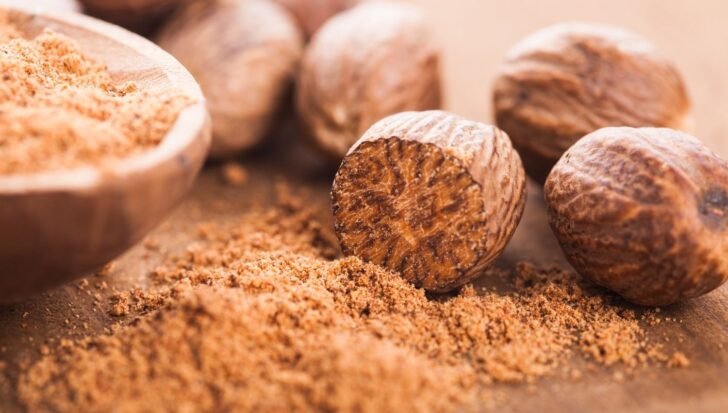
Culinary amounts of nutmeg are safe, but substantial quantities can cause adverse effects like nausea, dehydration, convulsions, palpitations, and body pain due to compounds like myristicin.
Most recipes that use pumpkin spice use blends with about ¼ to ½ of a teaspoon of nutmeg for the whole dish.
An average pumpkin spice latte has about ⅛ of a teaspoon of nutmeg, and consuming around 1 to 2 teaspoons can lead to the onset of toxicity.
So you could drink as many as eight PSLs before you begin feeling strange from the nutmeg. Not that you wouldn’t already be barking at the moon from all that caffeine!
Pumpkin spice blends a few familiar baking spices into a flavor that drives the world crazy every fall.
All the fall girlies rush for their pumpkin spice lattes, and bakers go mad putting pumpkin spice into everything they bake.
Whether you buy a jar or mix your own, you now know the facts behind fall’s coziest flavor!
And that’s a wrap on 10 fascinating facts about Pumpkin Spice! Whether you came in as a curious beginner or a seasoned enthusiast, we hope this list delivered something genuinely new. Head over to our random-facts section for even more curated facts — the learning never stops at Kaleeg.




 ↑
↑