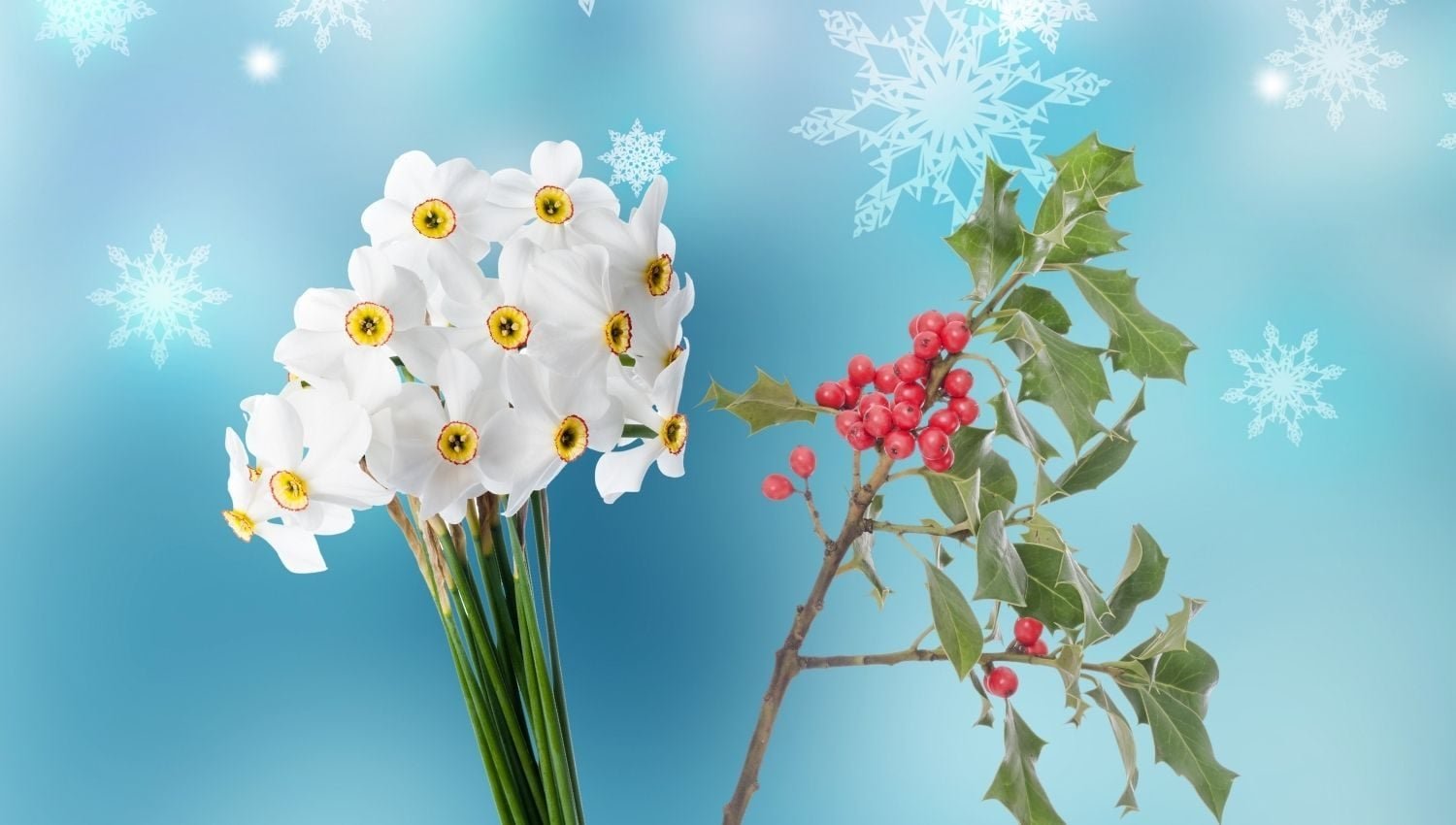
Great facts have a way of changing how we see the world. Here are 20 fascinating facts about Narcissuses & Hollies, December’s Birth Flowers, handpicked and verified by our editorial team. Some of these might genuinely surprise you — even if you think you already know the subject well.
10 Facts About Narcissuses
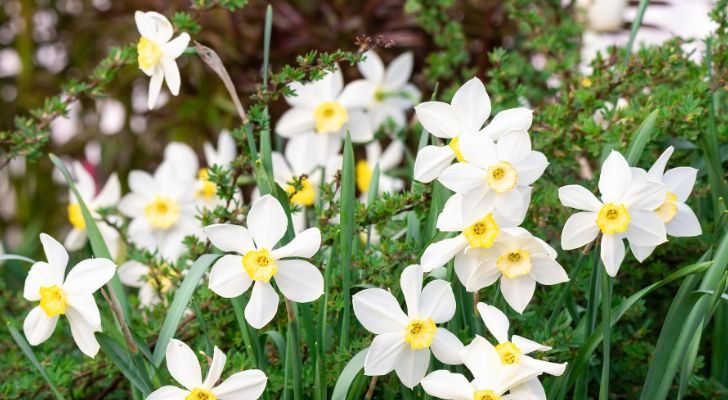
Narcissus isn’t just one type of flower. It actually refers to a whole plant genus under the Amaryllis family known for beautiful blooms like jonquils and daffodils.
Although they’re December’s birth flower, most narcissuses actually bloom in spring. However, a few species, such as the Paperwhite narcissus, may flower early in winter.
Narcissus comes from the Greek word for numb, but some believe the flower’s name may be related to Greek mythology. In the legend, a self-obsessed young man falls into a pond while gazing at his reflection, and these flowers grow in his place.
Today, about 40 different narcissuses are known, and they come in various colors, such as pink, white, yellow, and orange.
If you have narcissuses in your garden, you won’t need to replant them every season. They’re perennials and can regrow from their roots year after year.
Most narcissuses have a similar structure with an outer arrangement of six tepals resembling petals. They also have an inner trumpet or cup called the corona.
These flowers have been used to make fragrances since the days of the ancient Romans and Arabs. Some narcissuses used in making perfumes today include poeticus, tazetta, and jonquil.
The Hitachi Seaside Park in Japan has one of the largest narcissus gardens, with about a million narcissus.
All parts of narcissuses, including the stems, buds, leaves, and flowers, are poisonous to humans and animals. They contain a toxic compound called lycorine, and eating these flowers can cause unpleasant symptoms like nausea, vomiting, and diarrhea.
Although narcissuses are originally native to southern Europe and North Africa, they can now be found almost anywhere in the world.
10 Facts About Hollies
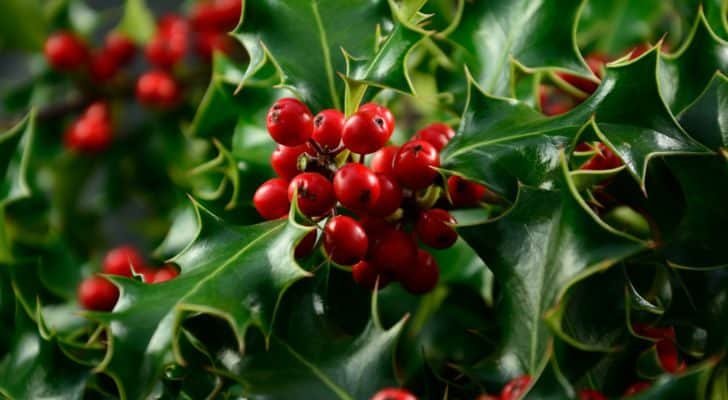
Hollies are dioecious, meaning there are separate male and female plants. These are typically planted close to each other so the female flowers can become pollinated to produce berries.
In the past, people planted hollies close to their homes, believing they served as natural lightning rods. It turns out they weren’t wrong, as the spikes on holly leaves are good electricity conductors!
Holly berries might look bright red and tempting, but you should never snack on them. They’re toxic to humans and most animals but may be a lifesaver for wild birds during the winter.
Hollies belong to the Aquifoliaceae family and the Ilex genus. All up, there are about 600 different species of holly.
Christmas and hollies go together, as they’re often used in Christmas decorations and mentioned in carols. Before the Victorian Era, holly trees were even called Christmas trees!
Some believe that hollies offer protection from evil spirits, and it’s considered bad luck to chop down a holly tree. However, you can take small cuts of the plant to decorate your home.
Don’t hold your breath waiting for hollies to bloom. This plant takes a long time to mature, with some species like the Ilex aquifolium or Christmas holly only flowering after about 20 years.
Despite being associated with December birthdays and Christmas, hollies typically bloom during spring and summer.
Some holly species, like Cook’s Holly, are endangered because their habitats are threatened. Unfortunately, a few, like Ilex gardneriana, have become extinct.
According to a Christian myth, a holly bush grew and hid the baby Jesus from King Herod’s men, who were out to harm him. As a reward, Jesus blessed the plant, making it evergreen.
December babies might be born in the heart of winter, yet they still get two amazing flowers to celebrate their birthdays.
First is narcissus, a large family of blooms that usher in spring with vibrant colors.
Then there’s the holly, which is technically a plant but is symbolic of Christmas with spiky green leaves, tiny white flowers, and red berries.
Together, these flowers bring a unique charm to December birthday celebrations.
Final Thoughts: Narcissuses & Hollies, December’s Birth Flowers is genuinely full of surprises, and we’ve only scratched the surface here. We hope you walk away from this list knowing something new. Share your favorite fact with a friend, and check out more curated fact lists on Kaleeg when you’re ready for more.




 ↑
↑