We believe that every subject in the world is interesting once you look closely enough — and How The RAF Fought Malaria With Parachuting Cats is a perfect example. Our Kaleeg team put together several fascinating facts that prove just how remarkable this subject really is.
The consequence of the action.

The spraying of Dichlorodiphenyltrichloroethane, commonly known as DDT didn’t just affect the mosquito life on the island, but it also affected parasitic wasps native to Borneo.
After a short while, all of the roofs on the Dayak houses started mysteriously collapsing.
As it turns out, the DDT used to kill the mosquitoes had also destroyed most of these parasitic wasps.
This meant that the island’s population of thatch-eating caterpillars – usually prey for the parasitic wasps – was flourishing.
Unfortunately for the Dayak people, all of their house roofs were made of tasty tasty thatch.
Up the food chain.

Now, if you think the above implication is bad, this is where it gets worse.
The DDT had a pretty significant effect on all insect life across the island, which meant many small insects had ingested the DDT and had it actively in their systems.
The island’s population of geckos started eating these DDT-ridden insects.
Now, because the DDT had a biological half-life of up to 8 years, it could remain dormant within the geckos for this long.
This, when coupled with the geckos’ slow metabolism, meaning they eventually became quite contaminated with DDT – but that wasn’t a problem.
After all, the geckos were immune to the poisonous effects of the stuff.
All good, right?
Wrong again!
The island’s cat population who ate the geckos were not immune to the toxic effects of the DDT.
This meant that the cats started dying off in droves after eating the DDT-drenched lizards, which meant only one thing.
Rats.
Lots and lots and lots of rats.
Operation cat-drop.

As the rat population ballooned out of control, the Dayak people found themselves facing all manner of rat-related problems like the Plague popping up and their grain stores all being eaten away.
So, the Dayak people called the WHO again to say they were struggling with a rat infestation.
Unlike last time, the WHO didn’t have a go-to solution for the problem, so they got their thinking caps on.
They made a quick call to the British Royal Air Force, and soon enough, Operation Cat Drop was kicked into action.
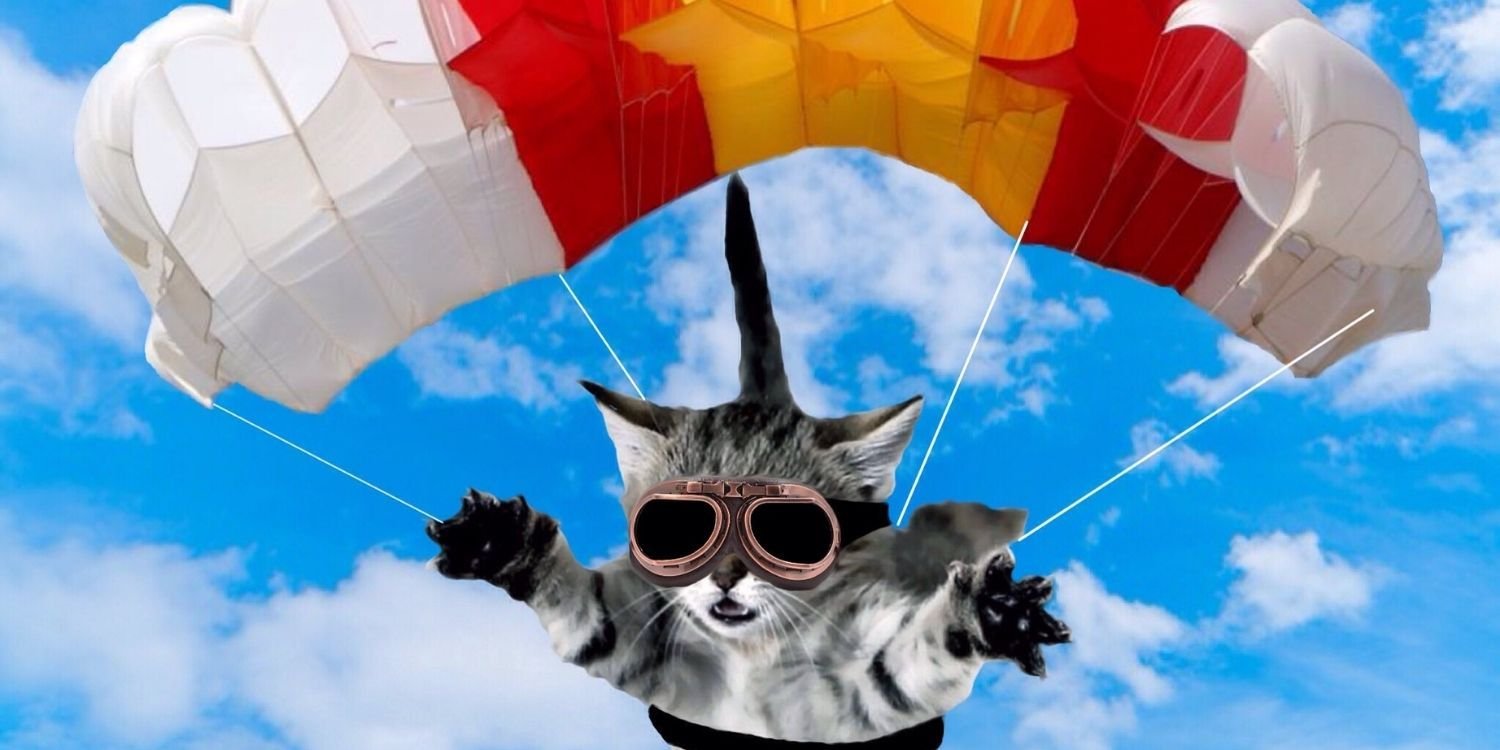
In 1965, the RAF flew sorties over the island of Borneo, air-dropping thousands of parachuted crates full of moggies into Borneo in an attempt to reverse the problem – something which actually worked!
So, if there’s one lesson to take away from this, it’s that; if you can’t fully understand the consequences, your actions will have, taking no action is probably the best cause.
Oh, also, cats. Lots and lots of cats are the solution.
The Bottom Line: From the surprising to the thought-provoking, How The RAF Fought Malaria With Parachuting Cats has more layers than most people ever get to explore. These several facts are a great starting point. Which one surprised you most? We’d love to hear from you!




 ↑
↑