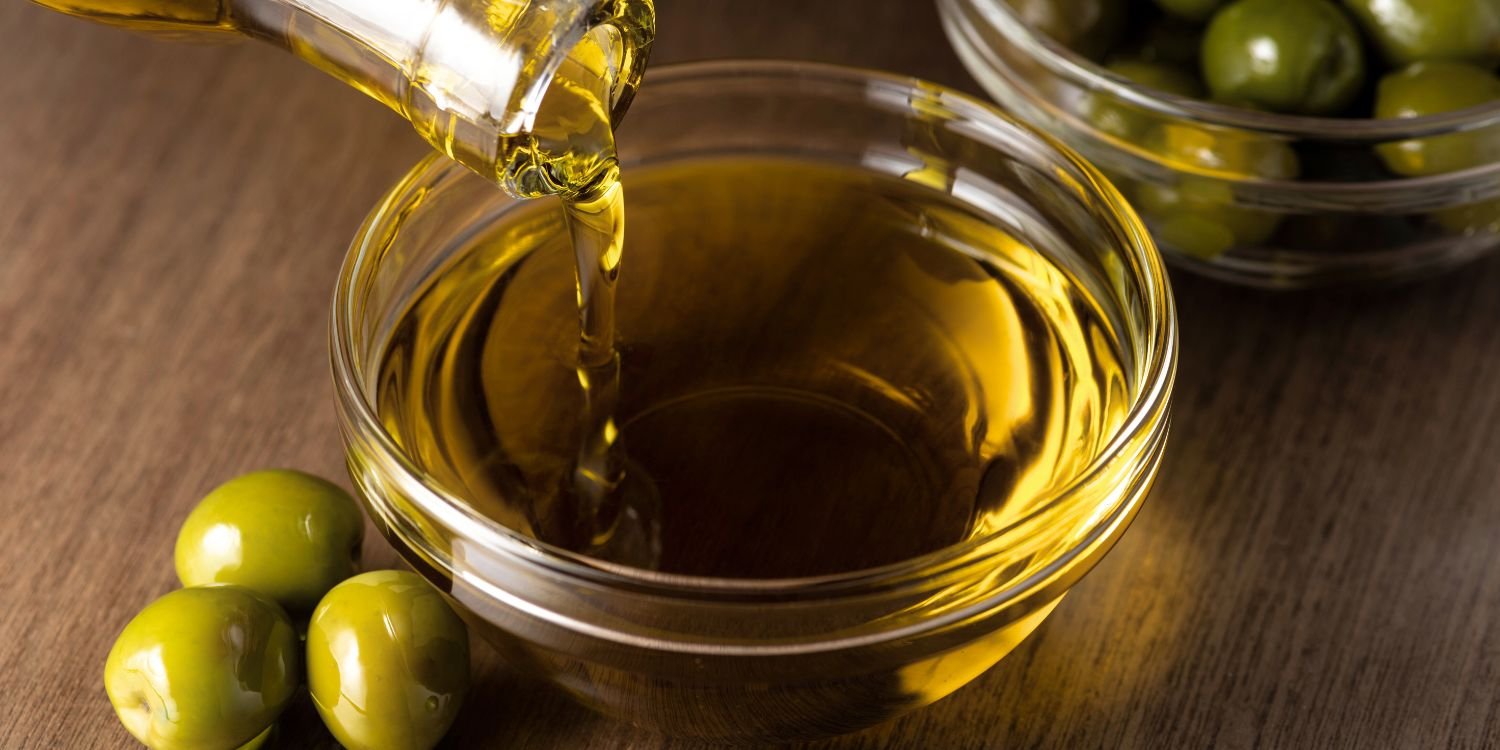
Olive oil has been drizzled, traded, worshipped, and debated for thousands of years — and it’s still finding new fans every day. Here are 15 fun facts about Olive Oil that go well beyond the kitchen.
Olive oil is produced on six continents.
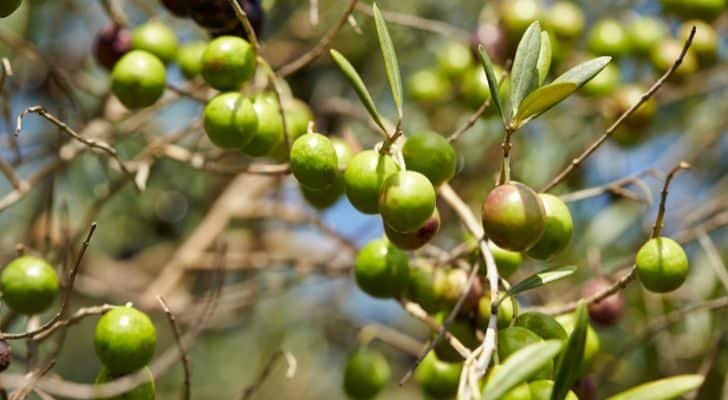
Although olive oil is deeply associated with Mediterranean cuisine, its production has spread far beyond the shores of the Mediterranean Sea. Australia, Argentina, Chile, and New Zealand all have significant and growing olive oil industries, taking advantage of similarly dry, warm climates that olive trees thrive in. In the United States, California is the primary producing state, with Mission, Arbequina, and Koroneiki olive varieties well-suited to its sun-drenched valleys. Despite this global spread, Spain remains the world’s largest producer of olive oil by a significant margin, followed by Greece and Italy.
Olive oil has been used for more than 6,000 years.
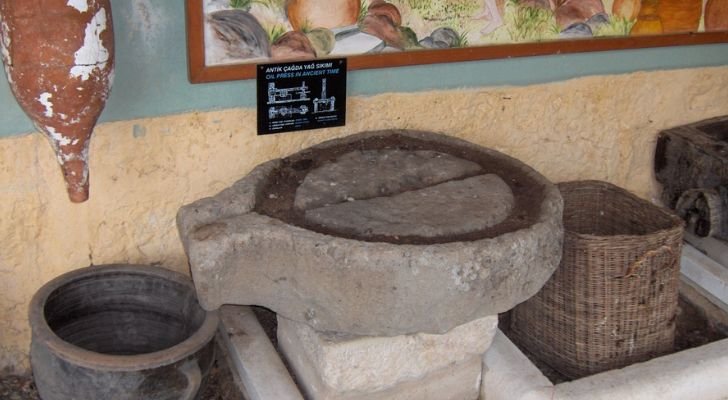
The use of olive oil stretches back at least 6,000 years, with archaeological evidence of olive cultivation and oil pressing found at sites across the ancient Near East, particularly in what is now Israel, Palestine, and Syria. In the ancient world, olive oil served purposes far beyond cooking: it was burned in lamps as the primary source of indoor light, applied to the skin as a moisturizer and perfume carrier, and prescribed as medicine for a wide range of conditions. Written trade records from around 400 BC document olive oil moving across the ancient Mediterranean in amphorae — large ceramic jars — establishing it as one of antiquity’s most valuable and widely traded commodities.
It takes 3-5 years for an olive tree to begin producing olives.
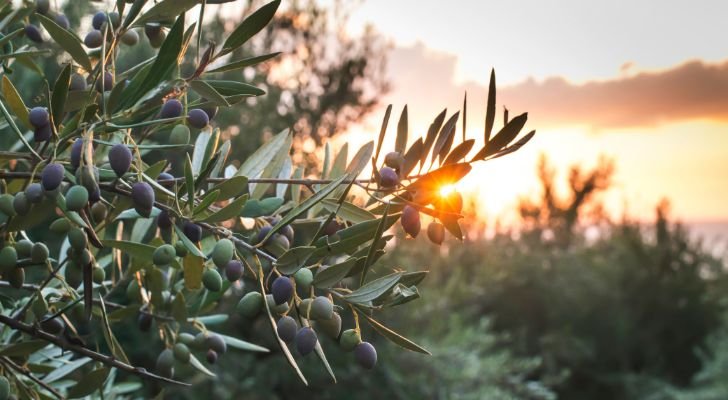
Growing your own olives requires both the right climate and a considerable amount of patience — newly planted olive trees typically take between three and five years to produce their first crop, and they don’t reach full productive maturity until around a decade after planting. Olives develop through the summer months, but unlike most fruits, they are not harvested until autumn and early winter. The optimal picking window varies by intended use: olives destined for eating are often picked while still green, while those used for oil are typically harvested once they begin to turn from green to black, signaling peak ripeness and the highest oil content.
Olive oil inspired a character in Popeye the Sailor.

Olive Oyl, Popeye’s long-suffering romantic partner, was created by cartoonist Elzie Crisler Segar in 1919 — predating Popeye himself, who didn’t appear until 1929. The character’s spindly frame, large eyes, and high-pitched mannerisms were reportedly inspired by American silent film actress ZaSu Pitts, known for her fidgety, expressive performance style. In the animated theatrical shorts produced from the 1930s onward, Olive Oyl was famously voiced by Mae Questel, who also provided the voice of Betty Boop. The character became one of animation’s most recognizable supporting figures, and her name has helped plant a cultural association between the words “olive oil” and a certain kind of lovable scrappiness.
There are more than 800 million olive trees!
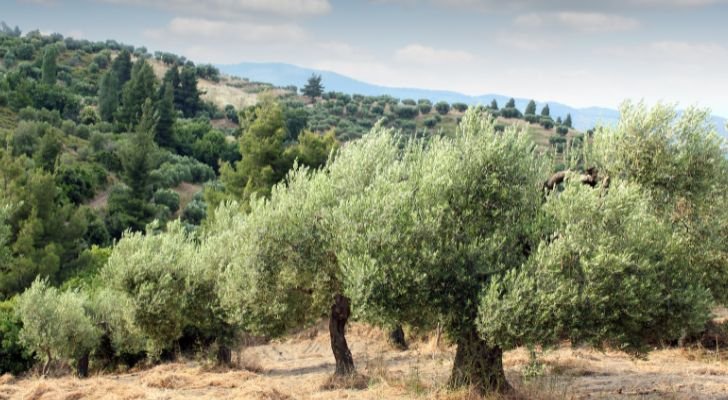
Estimates suggest there are around 800 million to one billion olive trees currently growing worldwide — a figure that reflects centuries of intensive cultivation across the Mediterranean and beyond. Olive trees are famously long-lived: some specimens in Greece, Spain, and the Middle East are believed to be over 2,000 years old and are still producing fruit. Growing olive trees does require space, as each tree needs approximately 20 feet (6 meters) of clearance to spread its branches and root system without competing with its neighbors — which means that even a modest olive grove requires substantial acreage to produce a commercially viable harvest.
The name “Kalamata Olive” has protected status in the European Union.
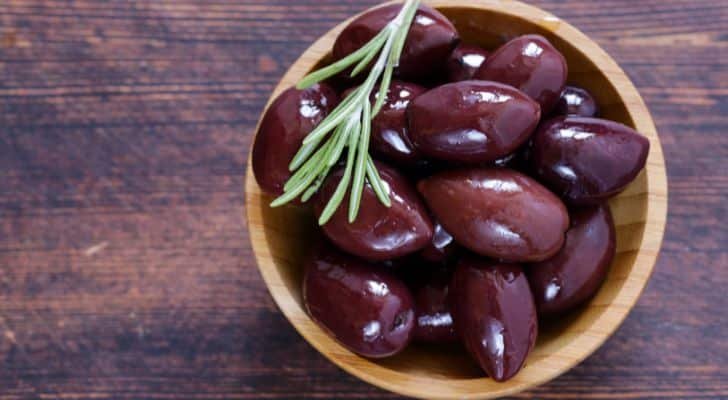
Kalamata olives — those distinctive, meaty, deep-purple olives with a rich, fruity flavor — are produced from the Koroneiki olive variety grown exclusively in the Kalamata region of the Peloponnese in southern Greece. The European Union has granted them Protected Designation of Origin (PDO) status, meaning that only olives grown and processed in this specific geographic area can legally be labeled and sold as “Kalamata olives.” This protection exists to prevent imitation products from diluting the quality reputation built up over centuries by local growers, and it ensures consumers are getting the authentic product when they see that name on a label.
Olive oil soap could help reduce acne and skin conditions.
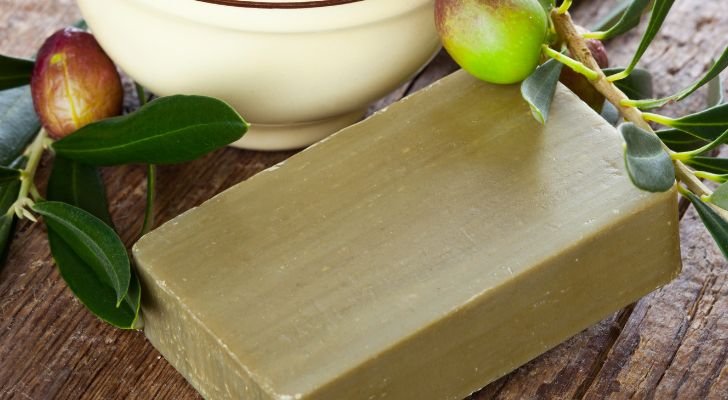
Olive oil is naturally rich in vitamins A, D, E, and K, as well as squalene — a compound that closely resembles the skin’s own natural sebum — making it an effective and gentle moisturizer for most skin types. Its antimicrobial properties, derived in part from the phenolic compounds in extra virgin olive oil, mean that soaps and cleansers containing it may help reduce the bacterial activity on the skin that contributes to acne breakouts. The oil’s anti-inflammatory compounds, particularly oleocanthal, may also help soothe irritated skin conditions like eczema. For people with sensitive skin, olive oil-based soaps are often a gentler alternative to products with synthetic detergents.
Italy and the United States are the biggest importers of olive oil.
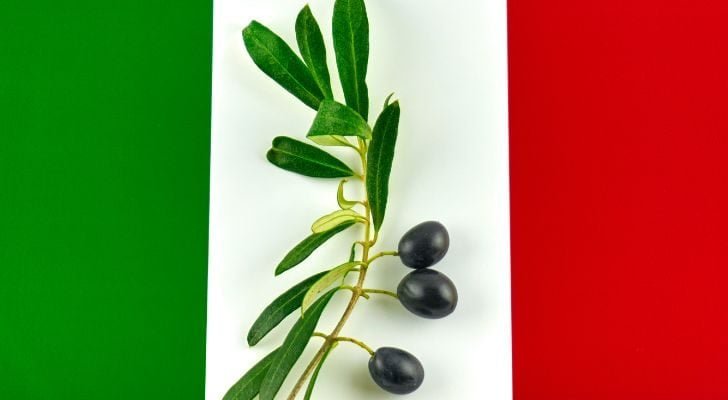
Despite being the world’s third-largest producer, Italy is simultaneously one of the world’s biggest importers of olive oil — importing roughly 22% of global supply annually, often re-processing and repackaging it for export under Italian brand labels, a practice that has attracted scrutiny and debate within the industry. The United States follows closely behind as the second-largest importer, accounting for around 18.5% of global imports and spending over $1.8 billion on olive oil each year. Italy’s import spend exceeds $2 billion annually. Globally, the olive oil import market is worth well over $10 billion per year and continues to grow as the product gains popularity in non-traditional markets across Asia and North America.
Olive oil is used for massage therapy.

Olive oil has been used as a massage medium since at least ancient Greek times, when athletes would have their bodies rubbed with it before competition to warm and condition their muscles, and after exercise to aid recovery. Its medium viscosity makes it well-suited to massage — it absorbs slowly enough to maintain lubrication throughout a treatment while still penetrating the upper layers of the skin to deliver its moisturizing and anti-inflammatory compounds. Modern sports therapists and massage practitioners sometimes still use pure olive oil, particularly for those who prefer a natural alternative to synthetically formulated massage oils, and its role in promoting skin elasticity makes it popular in anti-aging skincare routines as well.
Olive oil is mentioned in the Bible.

Olive oil appears dozens of times in the Bible, playing roles that span the practical, the symbolic, and the sacred. It was used to anoint kings, priests, and prophets — a ritual act of consecration in which oil was poured or rubbed on the head to signify divine appointment and blessing. The Hebrew word for “messiah” (mashiach) literally means “anointed one,” reflecting just how central olive oil was to religious identity and authority in ancient Israel. In the parable of the Good Samaritan in the New Testament, olive oil is used to clean and soothe the wounds of the injured traveler — a practical medical application that would have been instantly recognizable to the original audience.
There is an international prize for writing about olive oil.

The Ranieri Filo della Torre Prize, established in Italy in 2017, is an annual international literary competition dedicated exclusively to writing about extra virgin olive oil. Named in honor of Ranieri Filo della Torre, a late general manager of one of Italy’s major olive oil companies who was passionate about the cultural significance of the product, the prize is open to writers from any country submitting in any language. Entries range from poetry and short fiction to academic essays and food journalism — all exploring different facets of olive oil’s history, production, culture, or role in daily life. The prize is one of the more charmingly niche literary awards in existence.
Makeup can be removed with olive oil.

Olive oil works as an effective makeup remover because its oil molecules bind to the oil-based compounds found in most cosmetics — including waterproof mascaras and long-wear foundations — dissolving them from the skin without harsh scrubbing. A small amount applied to a cotton pad can remove even stubborn eye makeup gently and without the stinging associated with some commercial removers. Because it’s a natural, single-ingredient product with no added preservatives or fragrances, it’s particularly suitable for people with sensitive or reactive skin. The important follow-up step is a thorough cleanse with a gentle face wash to prevent residual oil from blocking pores.
The International Olive Council is a group of governments that discuss olive oil.

The International Olive Council (IOC), founded in Madrid in 1959 under the auspices of the United Nations, is the world’s only intergovernmental organization dedicated to olive oil and table olives. Originally called the International Olive Oil Council, it was renamed in 2006 to reflect its broader mandate. Today it counts more than 20 member countries representing the vast majority of global olive oil production. The IOC sets and maintains international quality standards, mediates trade disputes, funds research into olive cultivation and health benefits, and runs international marketing campaigns aimed at expanding olive oil consumption in emerging markets across Asia and the Americas.
Extra virgin olive oil is the purest olive oil you can find.
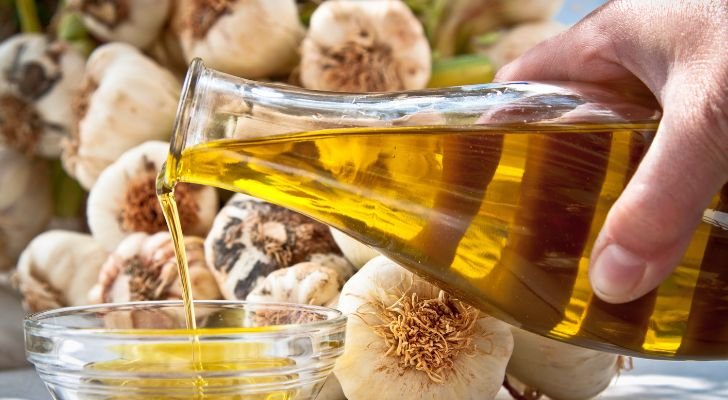
The “extra virgin” designation is the highest quality classification in the olive oil grading system, reserved for oil that has been cold-pressed without heat or chemical treatment and meets strict standards for acidity (no more than 0.8%), flavor, and aroma. Because it undergoes minimal processing, extra virgin olive oil retains the highest concentration of polyphenols, antioxidants, and vitamins present in the fresh olive, delivering the greatest nutritional benefit. Lower grades — such as “virgin,” “refined,” or “pure” olive oil — are either chemically processed or blended, which strips away many of the beneficial compounds that make the oil so valued by health-conscious consumers.
Olive oil is 100% fat.
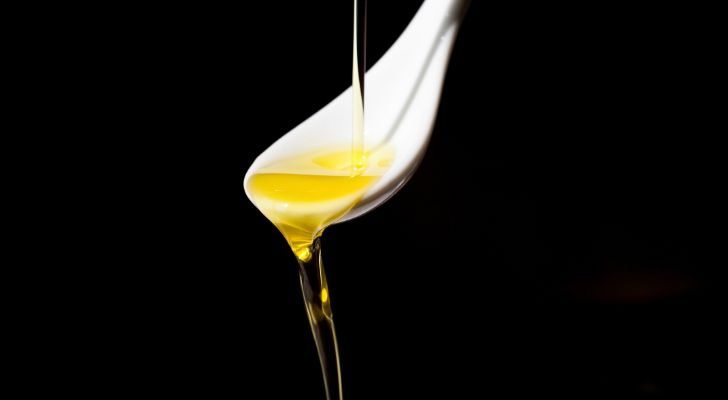
Olive oil is indeed composed entirely of fat, but the type of fat matters enormously. Approximately 73% of its fat content consists of oleic acid, a monounsaturated fatty acid that research consistently links to reduced inflammation, improved cholesterol profiles, and better cardiovascular health outcomes. Unlike saturated fats, monounsaturated fats do not raise LDL (bad) cholesterol levels and may actually support weight management when consumed as part of a balanced diet — studies of Mediterranean diet populations show favorable metabolic outcomes despite high olive oil consumption. One tablespoon provides around 120 calories, so a modest amount goes a long way when it comes to both flavor and nutritional benefit.
From ancient oil lamps to modern massage tables, olive oil has proven itself one of the most versatile and enduring substances in human history. Whether you drizzle it on a salad, use it to remove your mascara, or simply appreciate it for its astonishing depth of flavor, there’s far more to this golden liquid than meets the eye.
And that’s a wrap on 15 fun facts about Olive Oil! Whether you came in as a curious beginner or a seasoned enthusiast, we hope this list delivered something genuinely new. Head over to our food-drink section for even more curated facts — the learning never stops at Kaleeg.



 ↑
↑