Great facts have a way of changing how we see the world. Here are several fascinating facts about Twitter, handpicked and verified by our editorial team. Some of these might genuinely surprise you — even if you think you already know the subject well.
Approximately 350,000 Tweets are posted every minute.

On average, roughly 350,000 tweets are sent every single minute of every day, adding up to more than 500 million tweets in a 24-hour period. To put that in perspective, Facebook generates around 3 million new posts per minute — nearly ten times Twitter’s volume. What makes Twitter’s number impressive is how much real-time conversation, news breaking, and cultural commentary is packed into those 350,000 tweets. The platform has become a kind of live global pulse that never stops beating.
One of the original ideas for a name was “FriendStalker.”
Twitter nearly had a very different — and considerably more alarming — name: “FriendStalker,” a tongue-in-cheek suggestion put forward by co-founder Evan Williams that reflected the way the platform lets users keep tabs on what people are posting. Fortunately, co-founder Noah Glass took a different approach, flicking through a dictionary in search of words related to “twitch” until he landed on “Twitter.” The name stuck immediately, capturing the idea of short, rapid-fire bursts of communication that the platform was built around.
According to the Vatican, you’re a better person if you follow the Pope on Twitter.
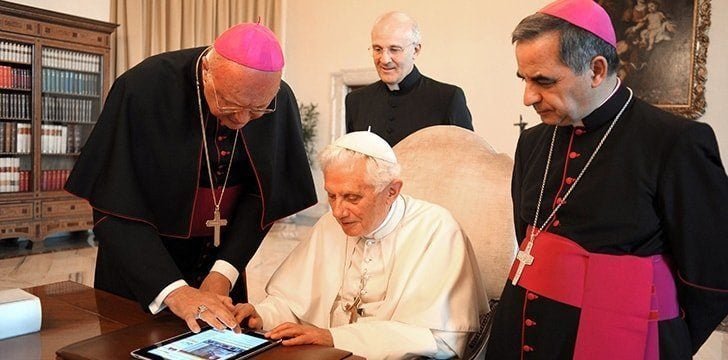
In 2013, the Vatican made a rather unconventional announcement: following the Pope on Twitter and keeping up with online broadcasts of events like Catholic World Youth Day could count as a form of spiritual practice and help reduce one’s time in purgatory. This digital indulgence placed Twitter alongside traditional acts of devotion such as prayer, charitable giving, and helping others. Whether you find the idea theologically compelling or simply amusing, it marked a striking moment of the Catholic Church formally embracing social media as a spiritual tool.
The hashtag was first introduced in 2007.

Chris Messina proposed the use of the # symbol on Twitter in 2007 as a way to group conversations around shared topics, making it easier for users to find posts related to events, conferences, and trending discussions. Critics at the time dismissed the idea as too technical and unlikely to catch on with a mainstream audience — a prediction that turned out to be spectacularly wrong. Hashtags have since migrated across virtually every major social platform, from Instagram to LinkedIn, and even into everyday conversation. Perhaps most remarkably, Messina chose not to patent the concept, wanting it to spread freely rather than be locked behind commercial restrictions.
The Library of Congress used to archive all tweets.
In 2010, the US Library of Congress struck a deal with Twitter to archive every public tweet ever posted — a remarkable act of digital preservation that reflected how seriously historians were already taking the platform as a cultural record. By 2017, however, the sheer volume of content had grown so massive that the Library announced it would become more selective, retaining only tweets of particular historical, social, or political significance. The project demonstrated both the value of Twitter as a primary source and the extraordinary challenge of archiving the internet age in real time.
The famous blue Twitter bird is called Larry.
Twitter’s instantly recognisable blue bird logo actually has a name — Larry — though most users had no idea until 2012, when Twitter product manager Ryan Sarver confirmed it in a tweet. The bird was named in honour of Larry Bird, the legendary Boston Celtics basketball player, reflecting the founders’ love of sports. Even as the logo has been refined and simplified over the years, Larry the bird has remained one of the most recognisable icons in the history of social media.
Katy Perry has the most Twitter followers.
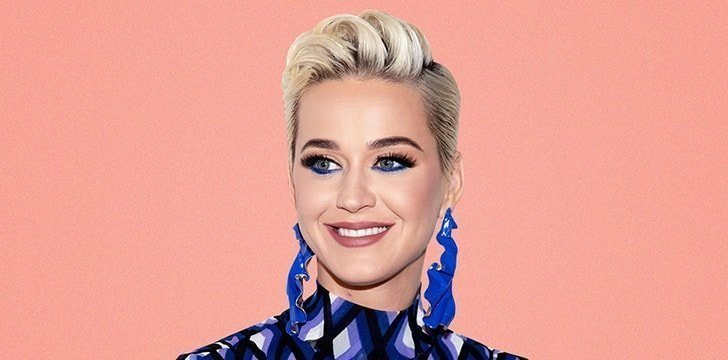
As of 2019, Katy Perry — who joined Twitter in 2009 — held the top spot for most followers on the platform, with over 107 million accounts following her. She sat ahead of a star-studded leaderboard that included Justin Bieber, Barack Obama, and Taylor Swift. Worth noting: a significant proportion of celebrity follower counts are inflated by inactive or fake accounts, with estimates suggesting that some high-profile accounts may have only around half genuine, active followers among their total.
The very first tweet was posted on March 21, 2006.

Twitter co-founder Jack Dorsey sent the very first tweet at 9:50 pm on March 21, 2006, with the now-famous message: “just setting up my twttr” — using the vowel-free shortening that was fashionable among tech startups of the era. The platform itself didn’t open to the public until July 15, 2006, giving the small founding team a few months to test and refine what they had built. That first modest tweet marked the beginning of a communications revolution that would reshape politics, journalism, and celebrity culture within a decade.
Twitter’s early days were not without their problems.
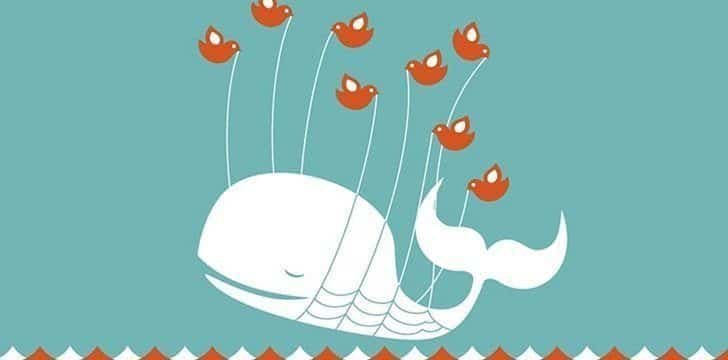
As Twitter’s growth exploded in 2007, its servers frequently buckled under the load, particularly during major events and tech conferences where usage would spike dramatically — at one point hitting around 60,000 tweets per day during a single conference. When the servers went down, users were greeted by a now-iconic error image known as the “Fail Whale”: a cheerful cartoon of a large whale being hoisted from the sea by a flock of small birds. It became an unlikely symbol of the growing pains every massively successful platform must endure on its way to stability.
Ellen DeGeneres is responsible for the most retweeted tweet of all time.
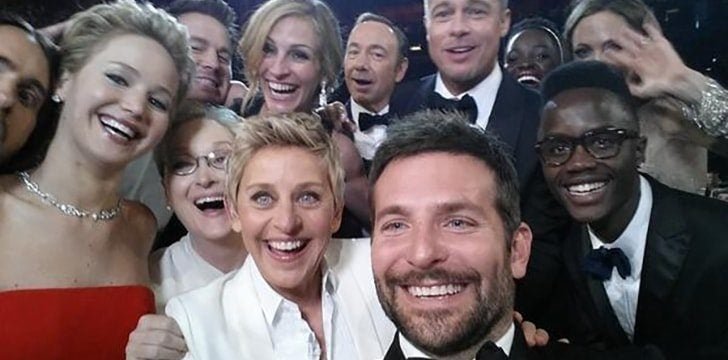
At the 2014 Academy Awards, Ellen DeGeneres orchestrated what became the most retweeted tweet in Twitter history: a backstage selfie taken by Bradley Cooper that featured a star-studded group including Jennifer Lawrence, Meryl Streep, Brad Pitt, and several other A-list celebrities. The tweet was retweeted over three million times within hours, crashing Twitter’s servers temporarily under the weight of the engagement. The image went far beyond social media virality, becoming one of the most iconic photographs of that decade and a masterclass in how celebrities can command the internet’s attention.
The Bottom Line: From the surprising to the thought-provoking, Twitter has more layers than most people ever get to explore. These facts are a great starting point. Which one surprised you most? We’d love to hear from you!




 ↑
↑