Curious minds, this one’s for you. We’ve put together several genuinely fascinating facts about What Is A Buck Moon?, carefully reviewed by our team to ensure every single one is accurate and worth your time. Let’s dive in.
What is a buck moon?
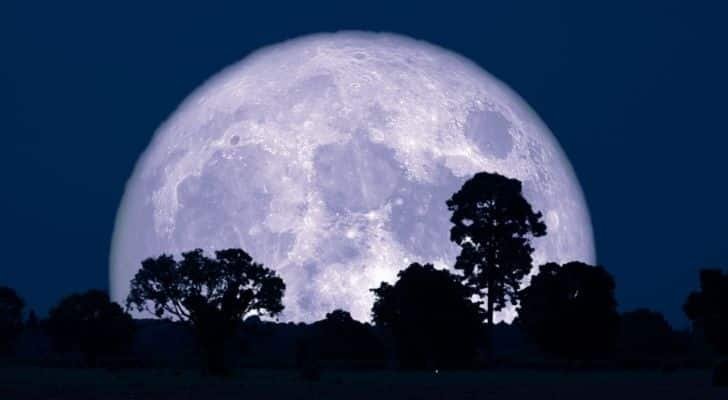
The buck moon is the first full moon of July. It’s considered as the full moon that marks the middle of summer.
The buck moon signifies that summer is in full swing, and everything is starting to reach its peak in terms of growth.
Why call it a buck moon?
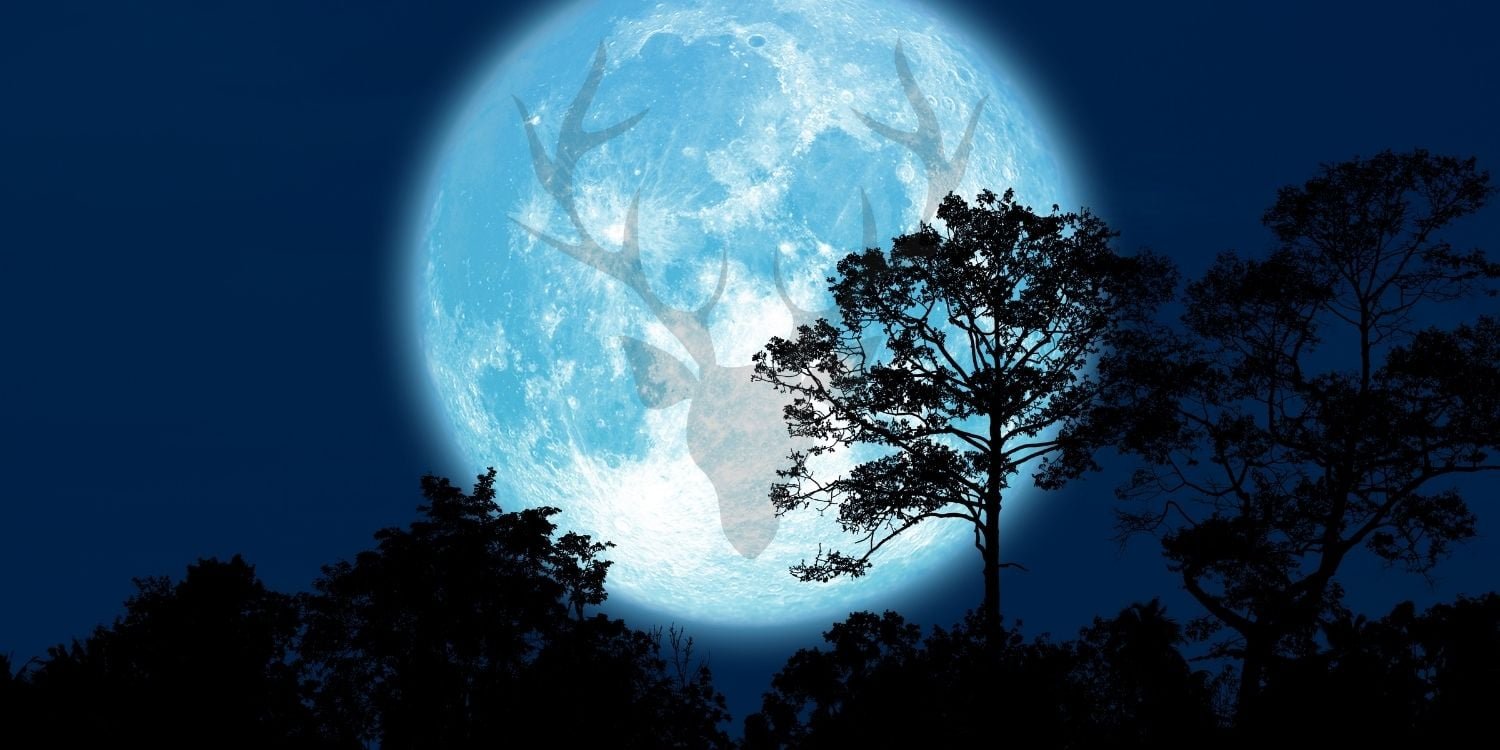
It’s called a buck moon because this is the time of year when all bucks’ horns are in full growth.
The buck moon occurs during the summer months in the northern hemisphere.
This is when male deer start to grow new antlers, and by the time of the full moon, they are in full development.
This is an important part of the deer’s antler grow cycle and marks the time of year when everything is performing at its peak.
It also acts as a warning that the summer will soon be over as it marks the point of full growth.
Who first called it a buck moon?
The lunar cycle was first used as an ancient way of keeping track of the time of year.
There are 13 full moons in each lunar cycle, and each moon was given a name to reflect relevant seasonal events in nature.
The North American Algonquin tribes were the first to refer to July’s full moon as the buck moon.
The buck moon name was prominent along the Atlantic coastline and the Great Lakes due to the dense forests where deer inhabit.
Our ancestors named the monthly moons after natural occurrences allowed humans to keep track of the seasons and therefore were able to plan for important events.
Recognizing the time of year by these seasonal occurrences helped humans survive as they were able to plan and prepare.
Is it always called a buck moon?
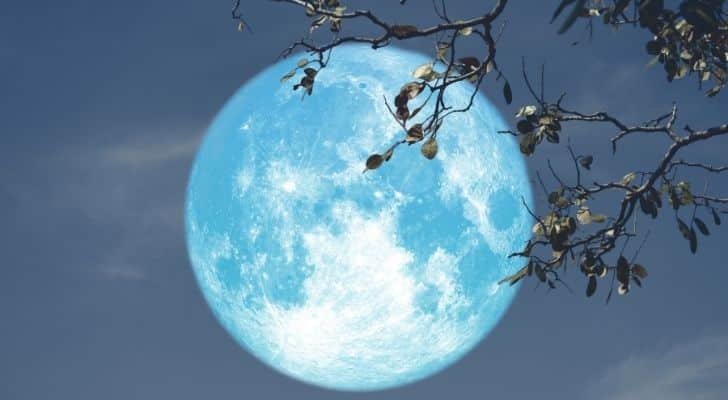
Although the buck moon is the most well-known name for the first full moon of July in North America, there are other names too.
The most common alternative name for the buck moon is the thunder moon.
July is one of the hottest months across the northern hemisphere, and as a result of the extensive heat, there is often an increase in humidity.
Humid environments are the most common setting to find thunderstorms as the moist hot air rises to cooler parts of the atmosphere.
This natural wonder creates thunderstorms, meaning that in July, we witness the most amounts compared to any other month of the year.
The thunder moon acts as a warning of the danger of weather at this time of year. This warning would have helped our ancestors survive.
Following the strawberry moon, they would have known the thunder moon was next so that they could prepare for the weather ahead.
Ensuring they were not living close to large bodies of water and staying away from the high ground would have been survival techniques.
The thunder moon came as a reminder to be safe and expect many thunderstorms!
The buck moon represents a time of year when you should become aware of the growth around you.
It comes at a time when everything is in full growth, and it marks the development of male deer antlers.
This means that summer is in full swing, so fall will soon be approaching.
As well as the growth in nature, it’s a time of year where we experience the most amounts of thunderstorms, so it acts as a sign of caution.
Knowing that the buck moon is approaching means you can prepare for bad weather and keep yourself safe until the next full moon approaches.
Kaleeg Editorial Note: We hope these several facts about What Is A Buck Moon? sparked your curiosity! Our team works hard to bring you accurate, engaging fact lists across every topic imaginable. If you loved this article, explore more in our fact library — and don’t hesitate to get in touch if you’d like to suggest a topic!



 ↑
↑