Great facts have a way of changing how we see the world. Here are several fascinating facts about the Lost Generation (1883-1900), handpicked and verified by our editorial team. Some of these might genuinely surprise you — even if you think you already know the subject well.
A directionless generation looking for purpose.
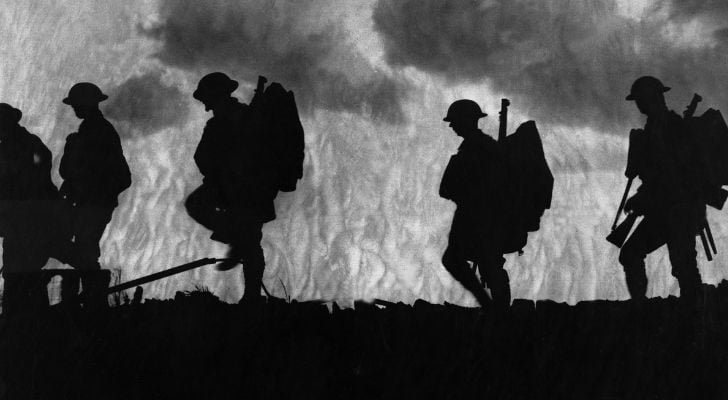
Why are they called the Lost Generation? Well, while talking with her friend and fellow writer, Ernest Hemingway, Gertrude Stein told him, “You are all a lost generation.”
He later used the phrase in his book The Sun Also Rises, which popularised the term and ultimately led to its use for the entire generation.
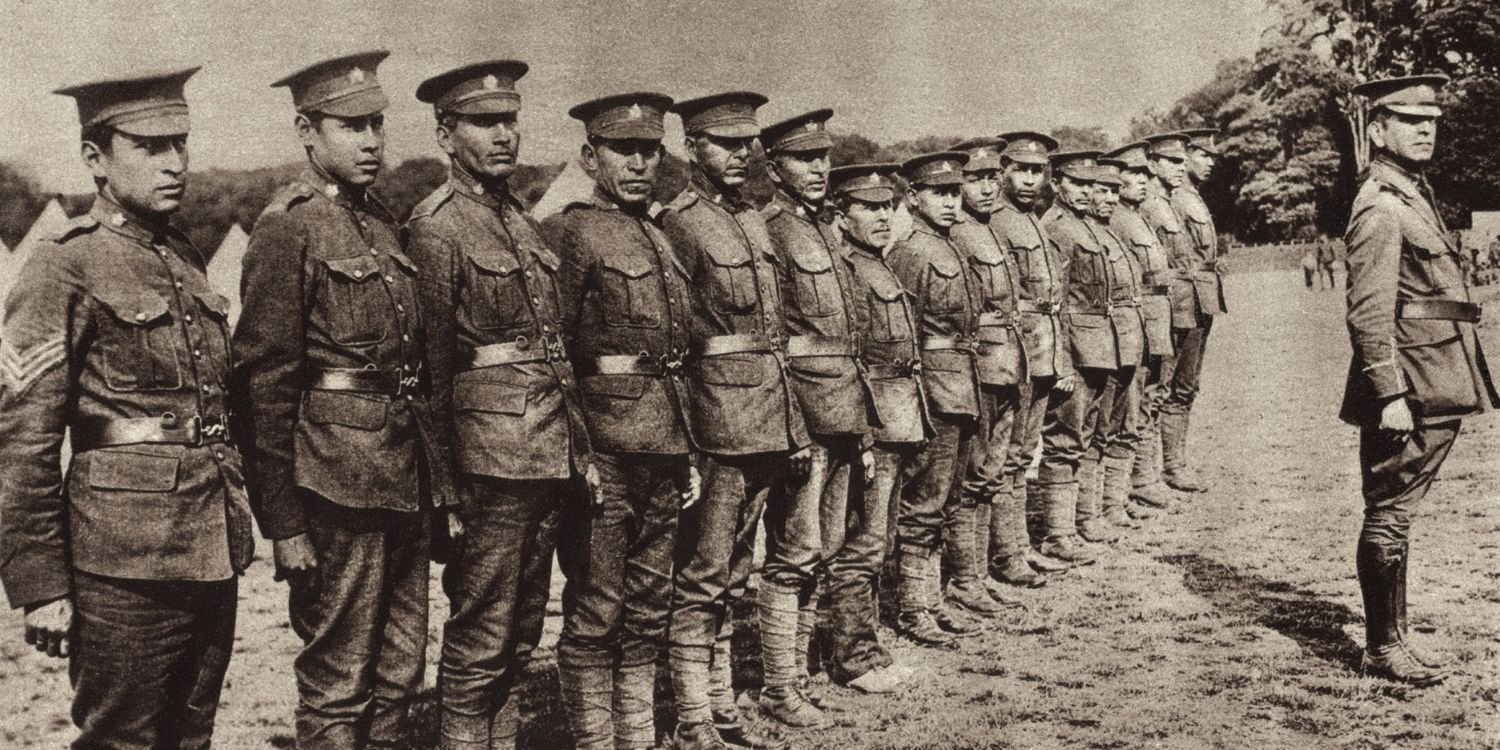
The Lost Generation was coming of age just as WWI was breaking out.
It was the most brutal and deadly war anyone had seen to date, and when it was over, the young people who fought in it struggled to come back to normal life.
Unsurprisingly, they were weary of authority and untrusting of government.
Having witnessed 12 million soldiers meet their maker in battle (along with a staggering 6 million civilians), they were desperate for change and didn’t believe it would come from the higher-ups.
Overall, writers, artists, and the generation overall had lost all faith in “The American Dream.”
Not everyone thought that way, however, and immigrants flooded into the USA by the millions, all searching for a better life.
Prohibition and lost inhibitions of the Lost Generation.
While people were immigrating to the United States from all over the world, many of the Lost Generation’s liberal youth were fleeing the country and their parent’s conservative views.
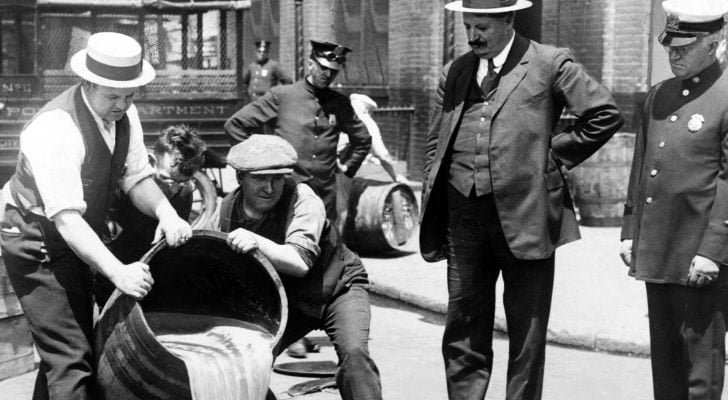
Prohibition started in the 1920s, and writers and artists like Ezra Pound, Hemingway, and F. Scott Fitzgerald weren’t going to stick around while the booze dried up.
Many of them moved to Paris, the city of love, where art was booming and society was far more liberal.
Although prohibition was officially signed into law in 1919 with the 18th Amendment, the idea of it had been bubbling up throughout the country since the mid-19th century.
Al Capone, one of the most famous gangsters to ever live, organized his criminal alcohol enterprise during this time.
Known as a “bootlegger,” he illegally imported alcohol from Canada to be sold in “speakeasies” (secret bars) around New York and Chicago.
He had many enemies, though; during his time, blood flowed just as much as liquor.
A boom in inventions and the expansion of industry.
The Lost Generation was born right in the middle of the Second Industrial Revolution (1870-1914), a time when the world was churning with change.
Advancements and popularization in telegraph and railroad networks, gas and water supply, sewage systems, and, most notably, telephones all brought change to this era.
Between 1869 and 1907, plastic was developed, allowing mass production of synthetic products.
When it comes to iconic inventions from the Lost Generation itself, there are few that really stand out!
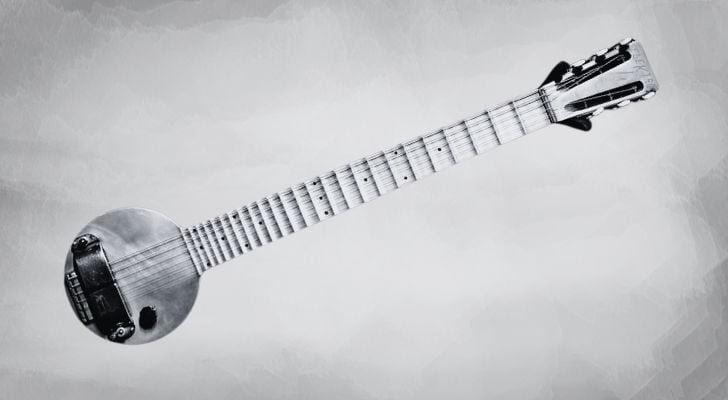
In 1932, Adolph Rickenbacker (who later changed his name to Eddie) created the first electric guitar. This new instrument rocked the world of music to its core!
Have you ever played with Lego? Imagine how many young architects and engineers were inspired by the toys Ole Kirk Christiansen created in 1932 in Denmark.
The Danish word Leg godt, meaning “play well,” was shortened to Lego, the brand we know today.
The youngest ever Nobel laureate for Physiology/Medicine is a man named Frederick Banting, who, at the age of 32, discovered insulin and its therapeutic potential.
From 1923 onwards, diabetics now had the option of treatment.
Also in 1923, a Scotsman named John Logie Baird made history by building the first television. He used just an old hatbox, a pair of scissors, darning needles, bicycle light lenses, a used tea chest, and sealing wax and glue!
Segregation, the Harlem Renaissance, and how it shaped art.
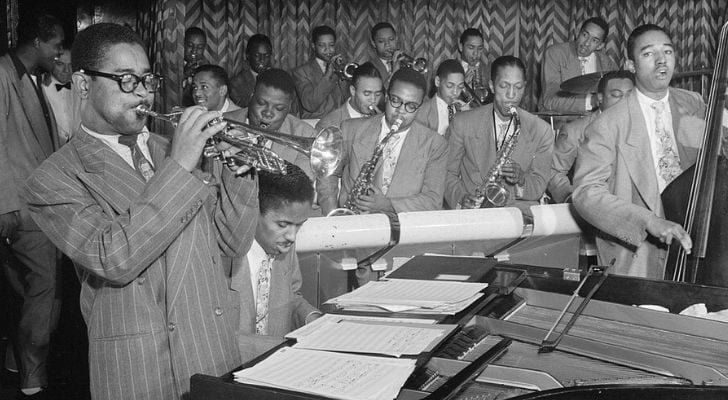
Between 1890 and 1910, Jim Crow laws came into effect. These laws disenfranchised black Americans and completely suppressed the African American vote.
Slavery had effectively ended, but racism was still rife throughout the New World.
A need for black people all over the world to find pride in themselves arose, and through this need came a flood of art, literature, music, and dance that continues to influence the entire artistic world today.
In 1917, Hubert Harrison, born in 1883, created The Voice, the first Newspaper of “The New Negro Movement”. He would later be known as “The Father of Harlem Radicalism”.
An explosion of music happened during this time, giving rise to household names like Duke Ellington, Lead Belly, Louis Armstrong, and Florence Mills.
We now recognize these names as being some of the most influential musicians of their time.
Many of them, like their white literary counterparts, also visited Paris and spread African American music and fashion throughout the world, influencing music across races and borders.
Aaron Douglas, known as “the Father of African American Art,” paved the way for black artists worldwide to be accepted as his work grew, peaking during the height of the Harlem Renaissance.
Though they were called lost after the tragedy of the First World War, they set the course for where we are today, and without them, our world would be vastly different.
They were a generation of activists, artists, and inventors who traveled the world, challenged the ideas of those who came before them, and influenced the generations after them.
Regardless of who you are or where you are from, the Lost Generation has had an immense effect on the life you live today, from music to science and everything in between.
Kaleeg Editorial Note: We hope these several facts about the Lost Generation (1883-1900) sparked your curiosity! Our team works hard to bring you accurate, engaging fact lists across every topic imaginable. If you loved this article, explore more in our fact library — and don’t hesitate to get in touch if you’d like to suggest a topic!


 ↑
↑